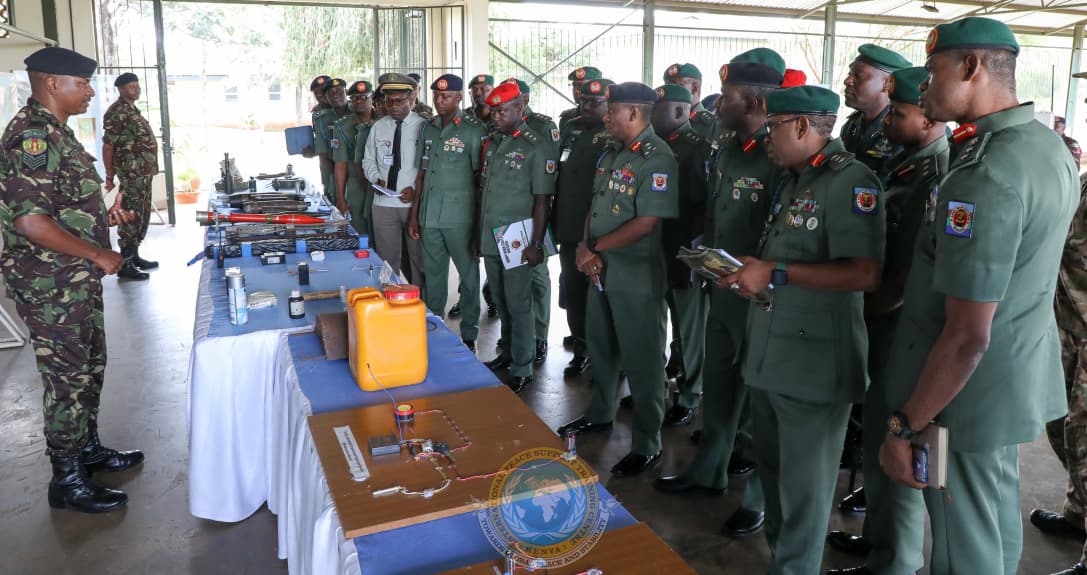
TOP MANAGEMENT AWARENESS BRIEFING
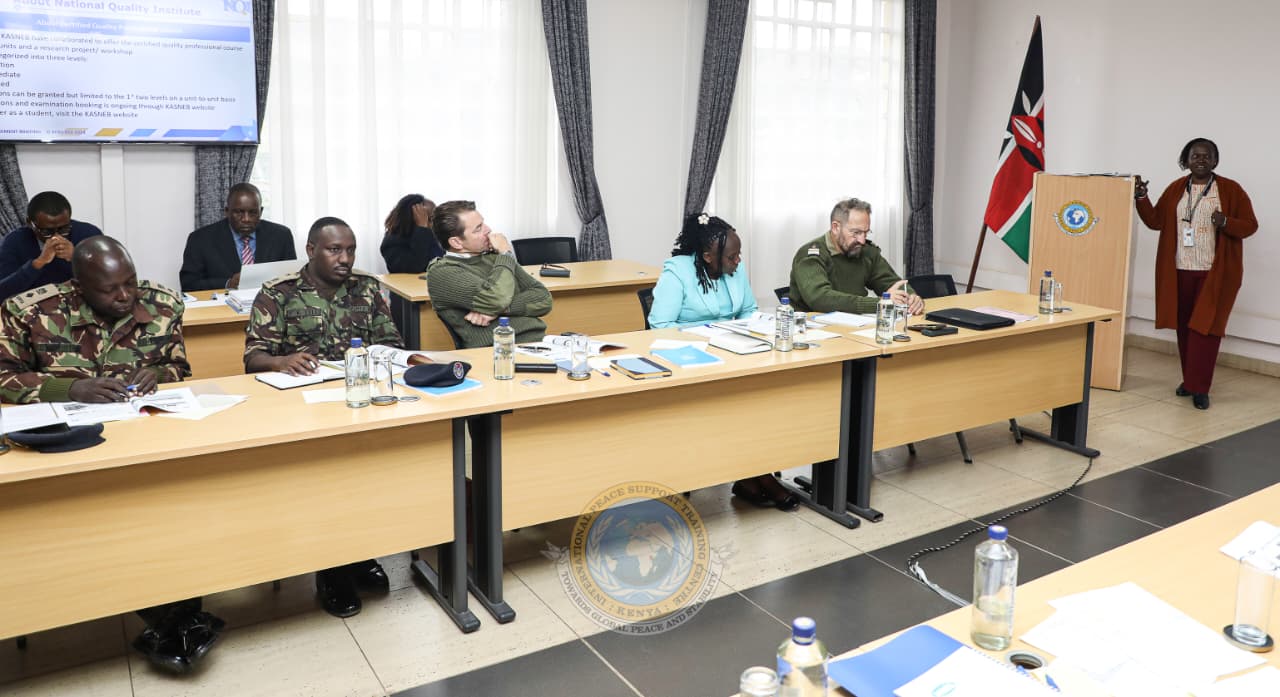
As part of its commitment to excellence, accountability, and continuous improvement, the International Peace Support Training Centre (IPSTC), following its attainment of the ISO 9001:2015 Quality Management System (QMS) certification in 2024, conducted a Top Management Awareness Briefing on the Quality Management System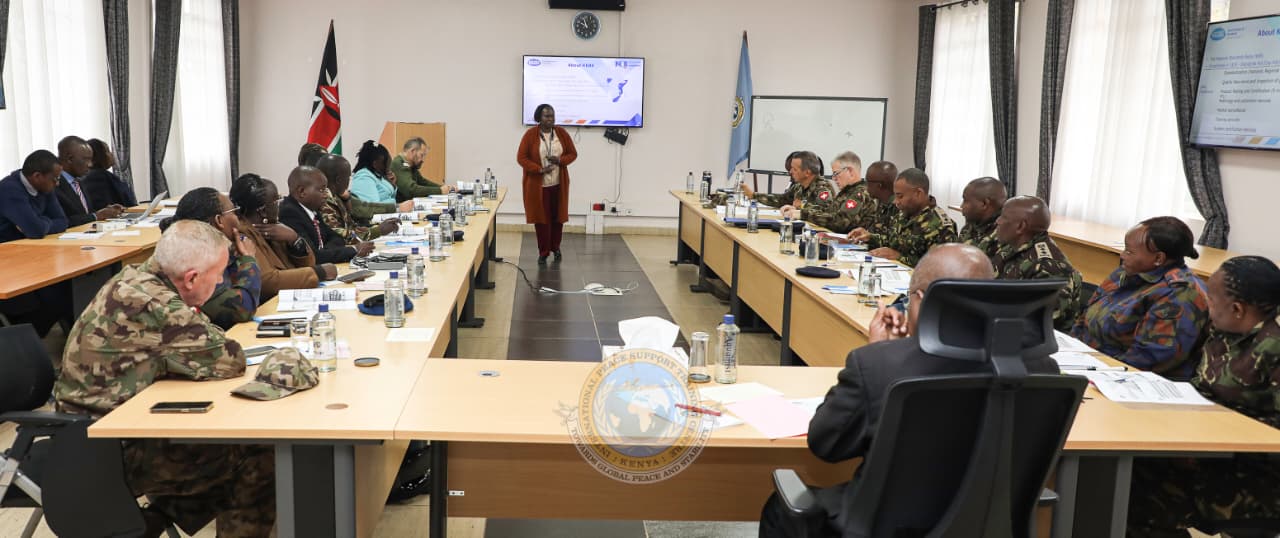 The briefing aimed to deepen understanding of the core principles of quality management, highlight the importance of implementing and sustaining a QMS based on the ISO 9000 family of standards, and reinforce the critical leadership role of top management in establishing, maintaining, and continually improving the QMS.
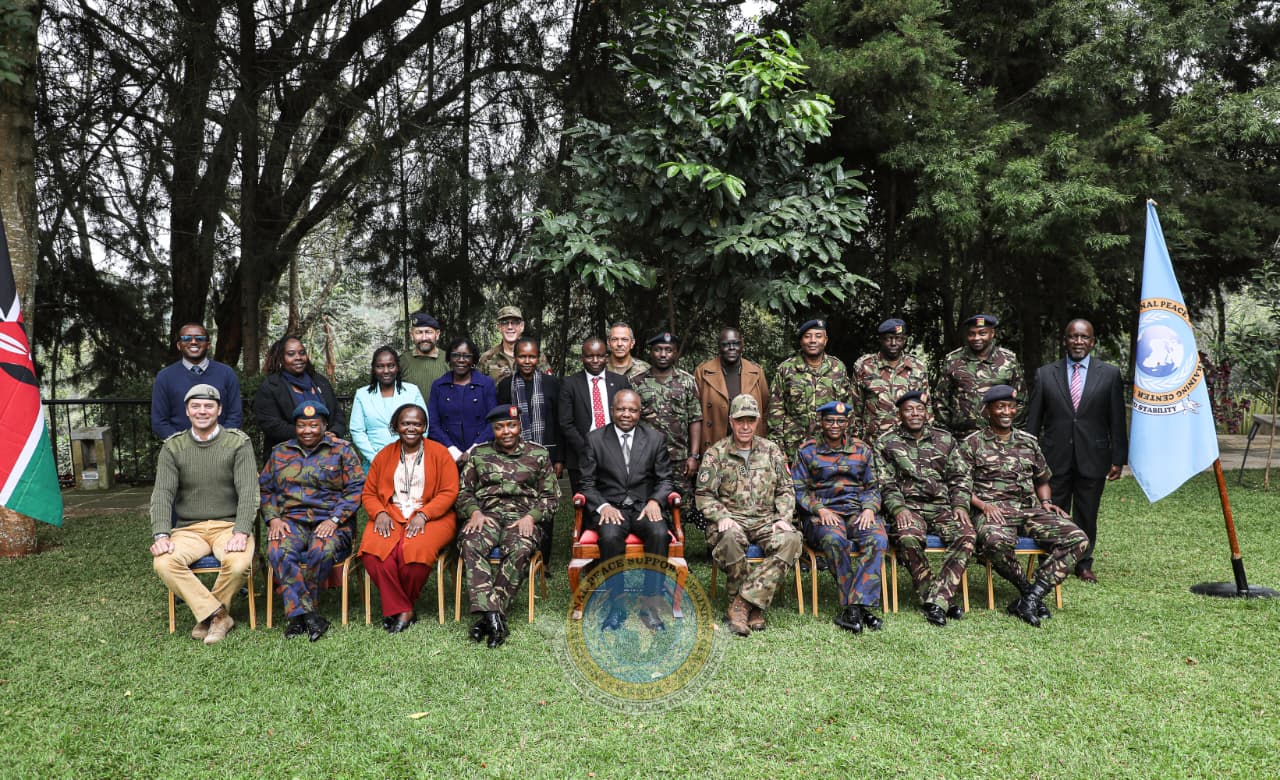 The session brought together Heads of Departments and Sections, reaffirming IPSTC's collective commitment to fostering a culture of quality and delivering excellence across all its operations.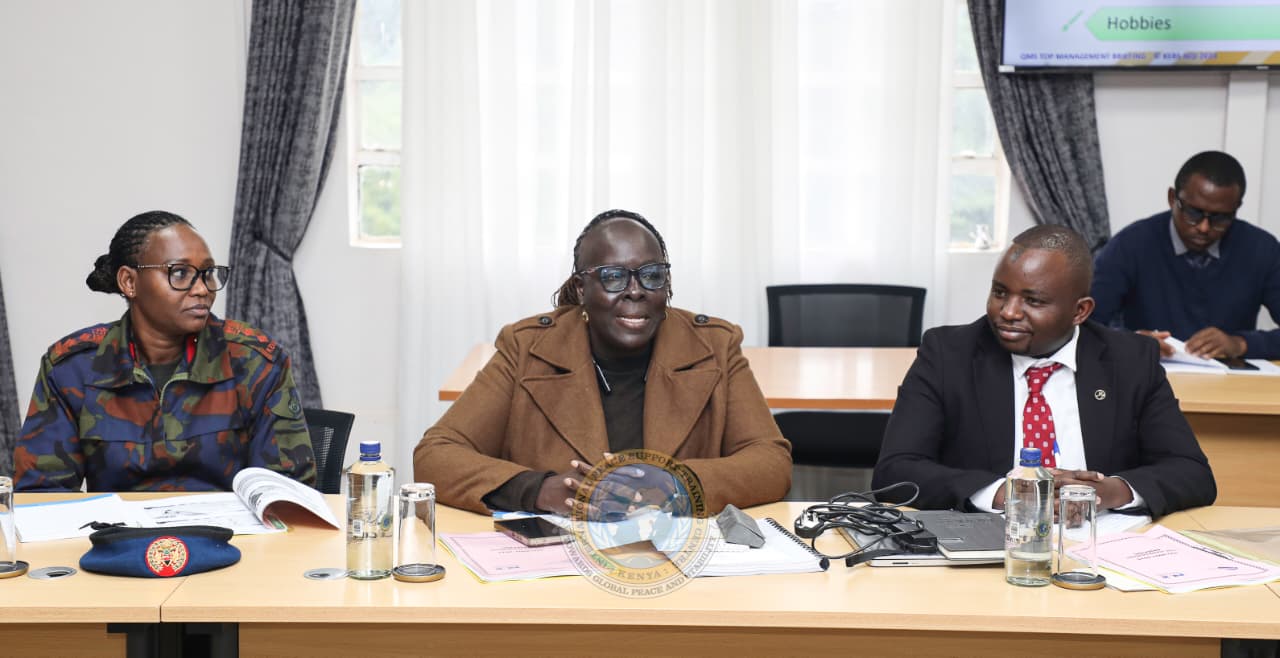
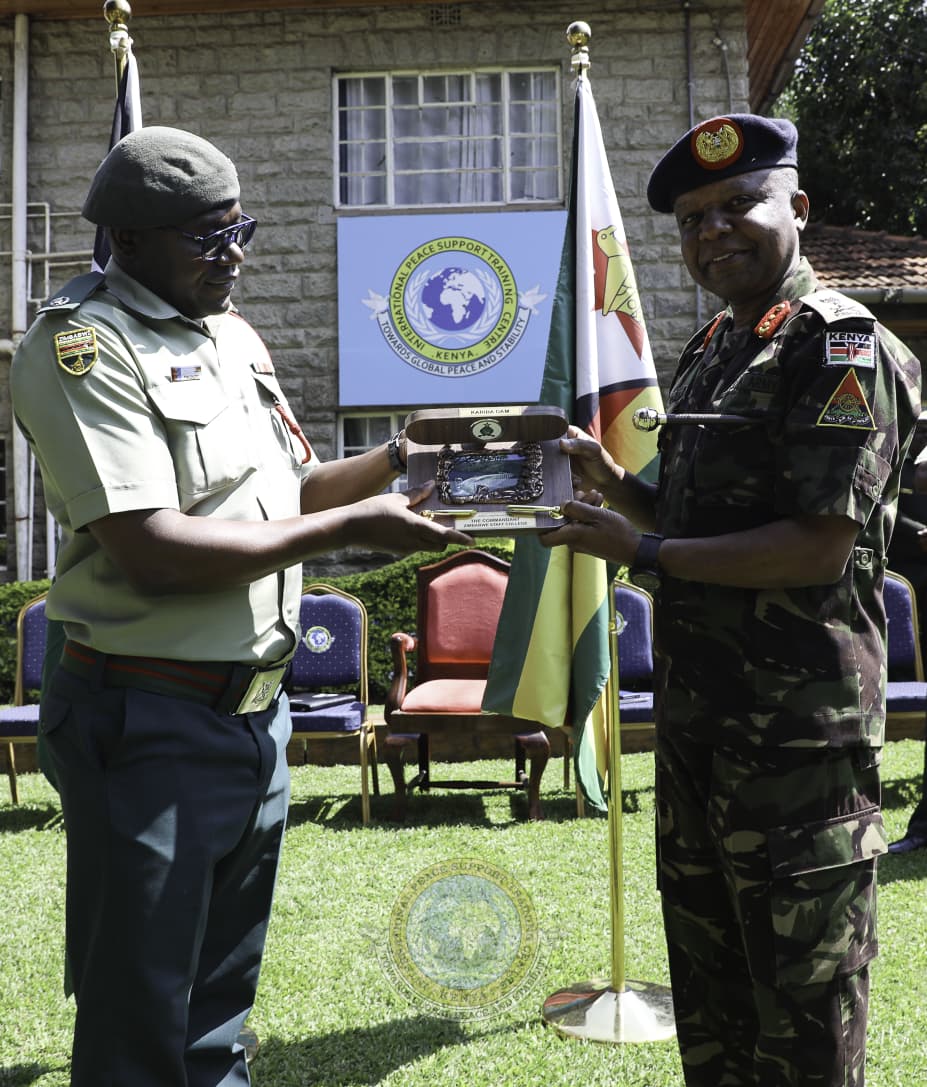
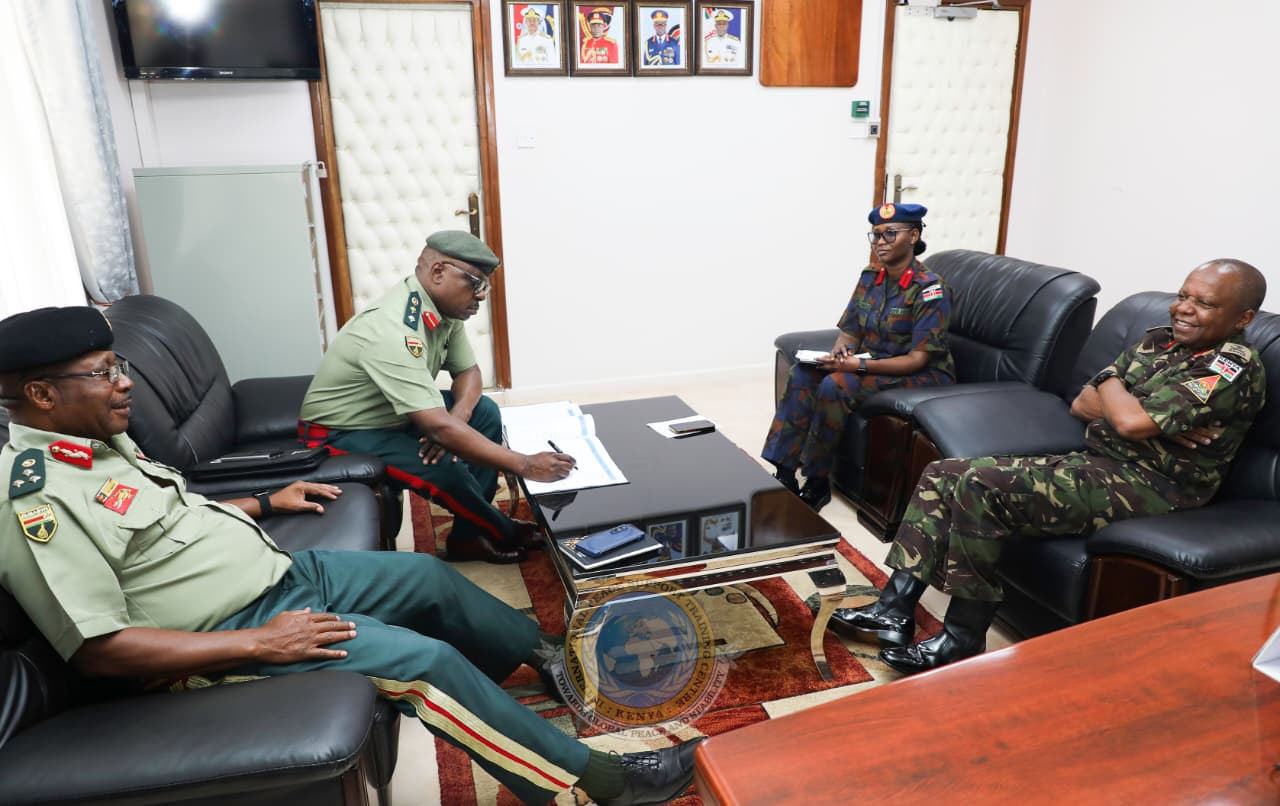
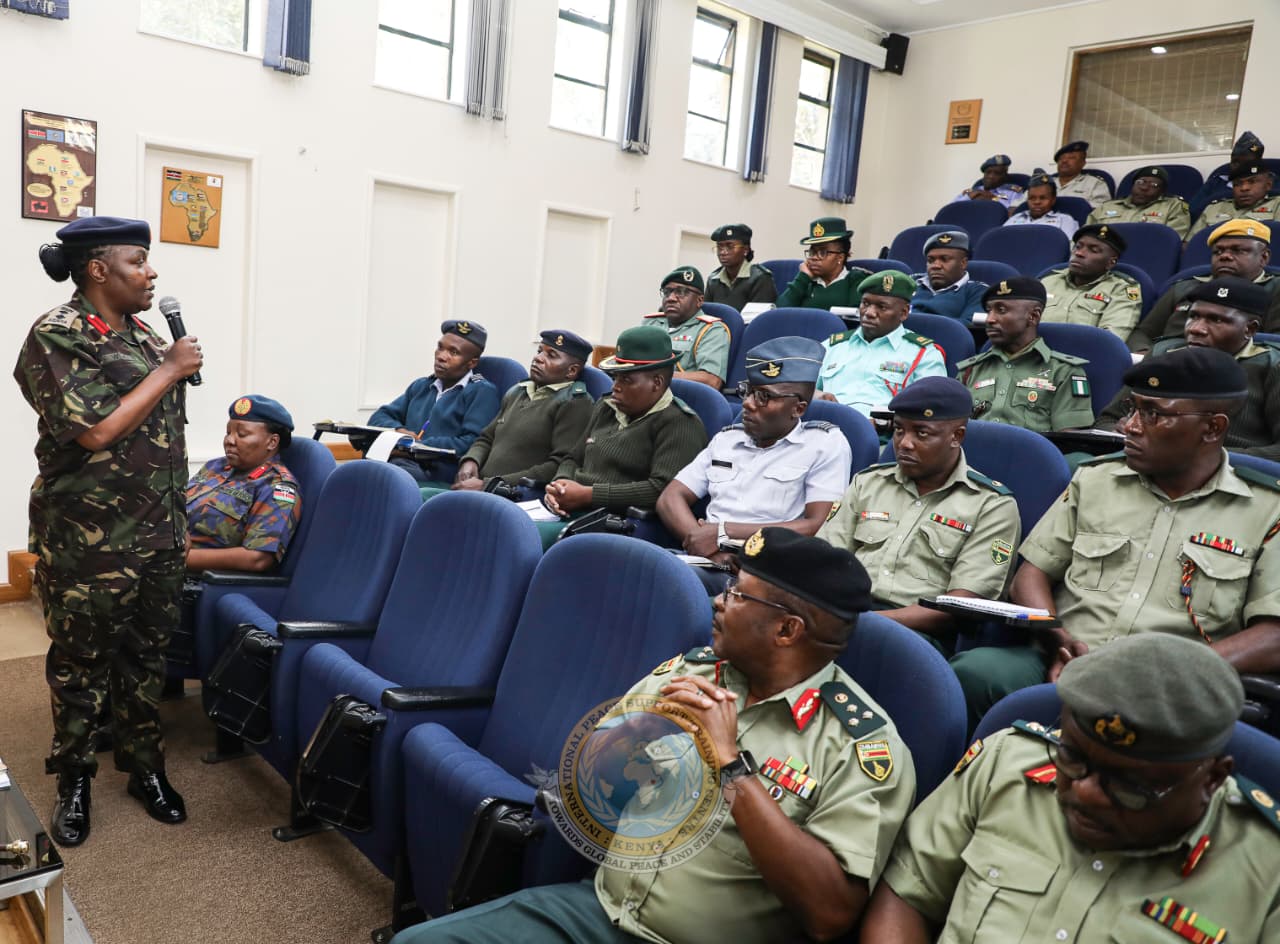 The visit featured insightful discussions on the critical nexus between economic development and national security, highlighting the role of peace support training in creating stable environments that enable sustainable growth.
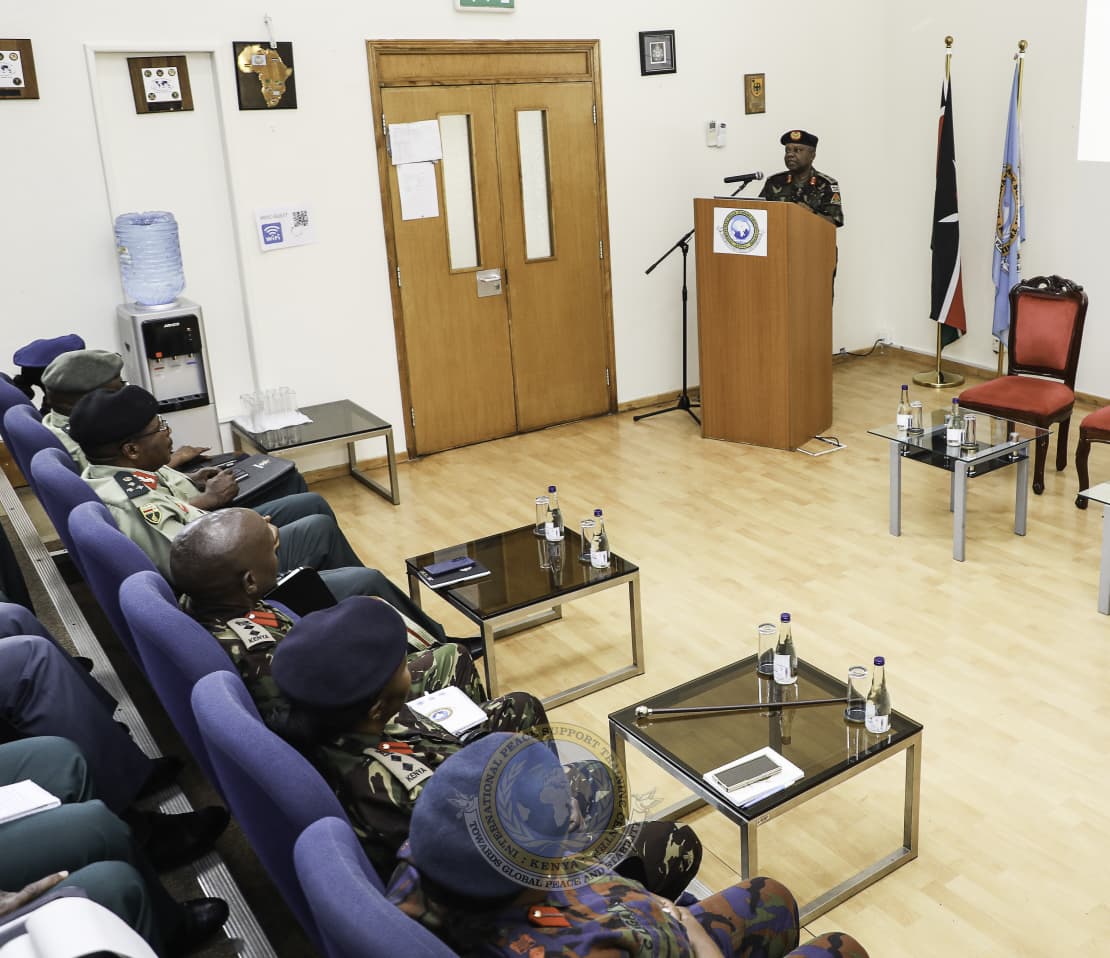 The engagement also provided a valuable platform for exchanging best practices, strengthening professional collaboration, and fostering mutual learning between the two institutions.
 🤝🌍 #Partnerships #PeaceAndSecurity #CapacityBuilding #ProfessionalMilitaryEducation #IPSTC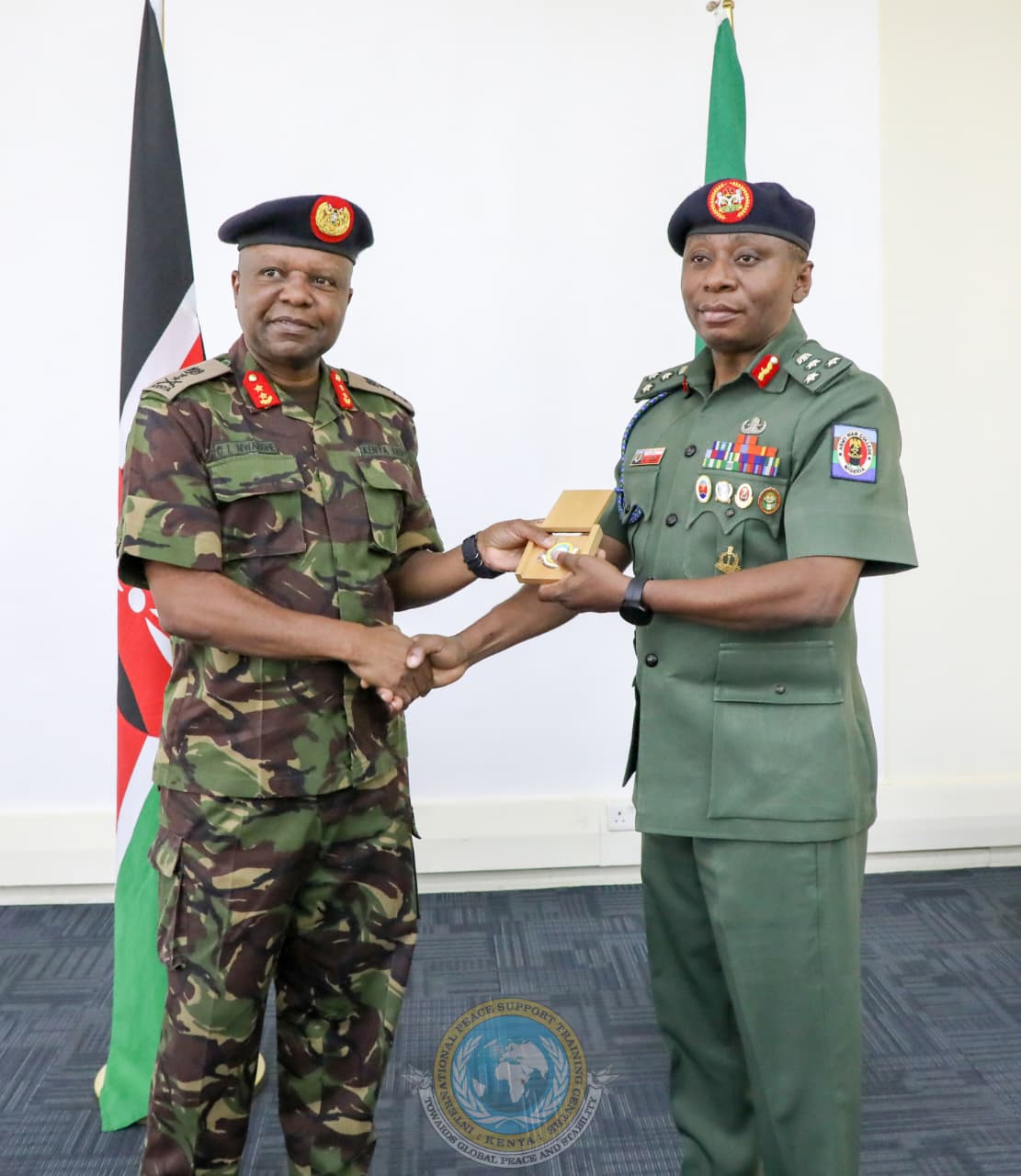
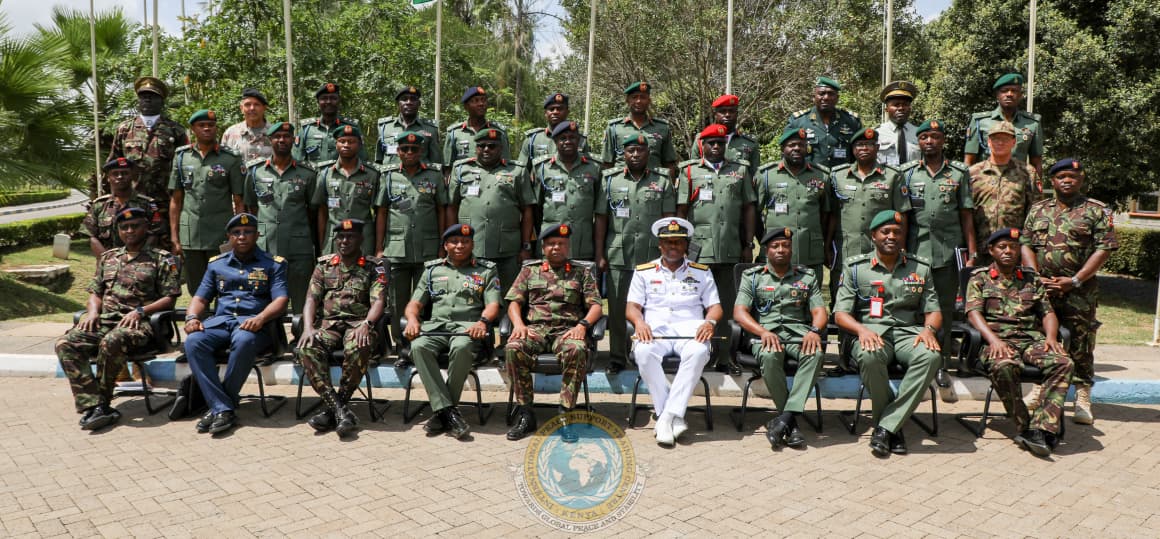 The visit provided an opportunity to exchange perspectives on contemporary peace and security issues, as well as the evolving demands of professional military education. Discussions centered on areas of mutual interest, including leadership development, peace support training, and the role of military institutions in addressing emerging regional and global security challenges.
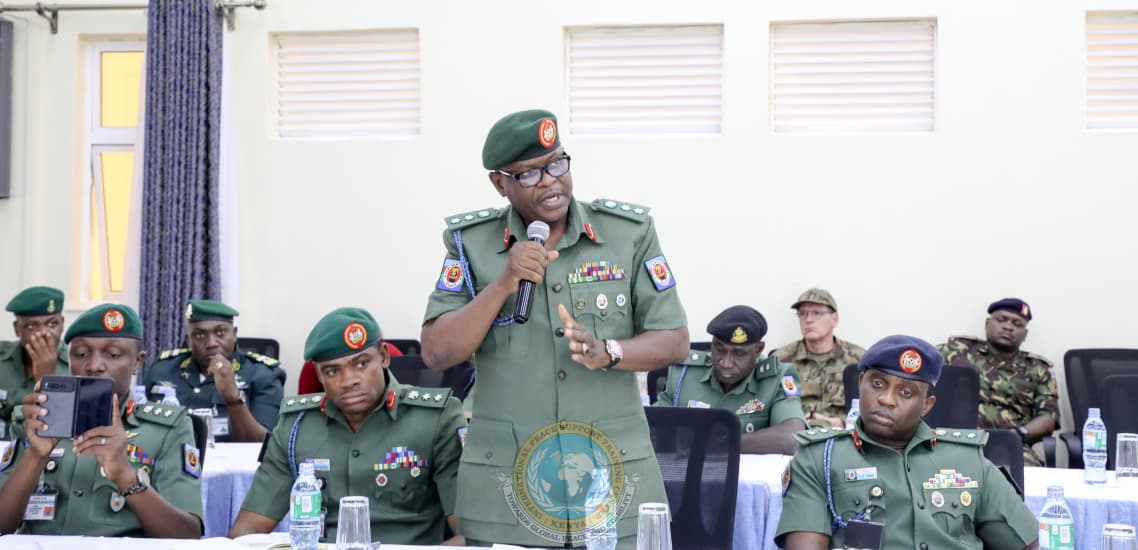 The interactions highlighted the importance of adaptive and inclusive training approaches in building capable professionals who can effectively respond to the dynamic nature of peace support operations.
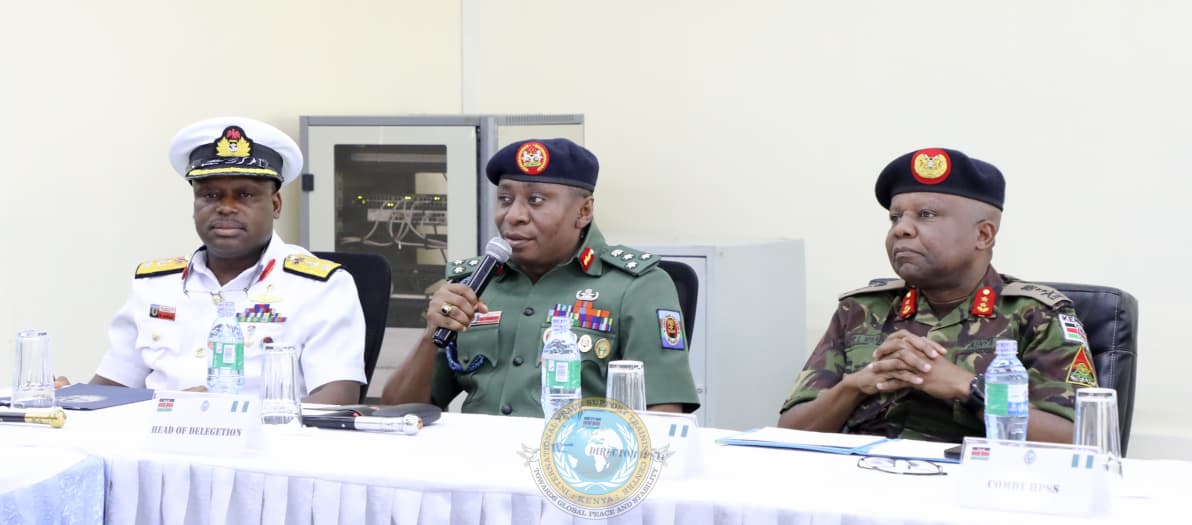 The visit reaffirmed the value of sustained institutional engagement in advancing shared goals and broadening professional networks. By creating opportunities for learning, reflection, and the exchange of experiences, such interactions contribute to the continuous development of both institutions and strengthen collective efforts towards promoting peace, security, and stability across the region and beyond.