𝐔𝐍𝐈𝐓𝐄𝐃 𝐍𝐀𝐓𝐈𝐎𝐍𝐒 𝐌𝐈𝐋𝐈𝐓𝐀𝐑𝐘 𝐎𝐁𝐒𝐄𝐑𝐕𝐄𝐑𝐒 𝐂𝐎𝐔𝐑𝐒𝐄
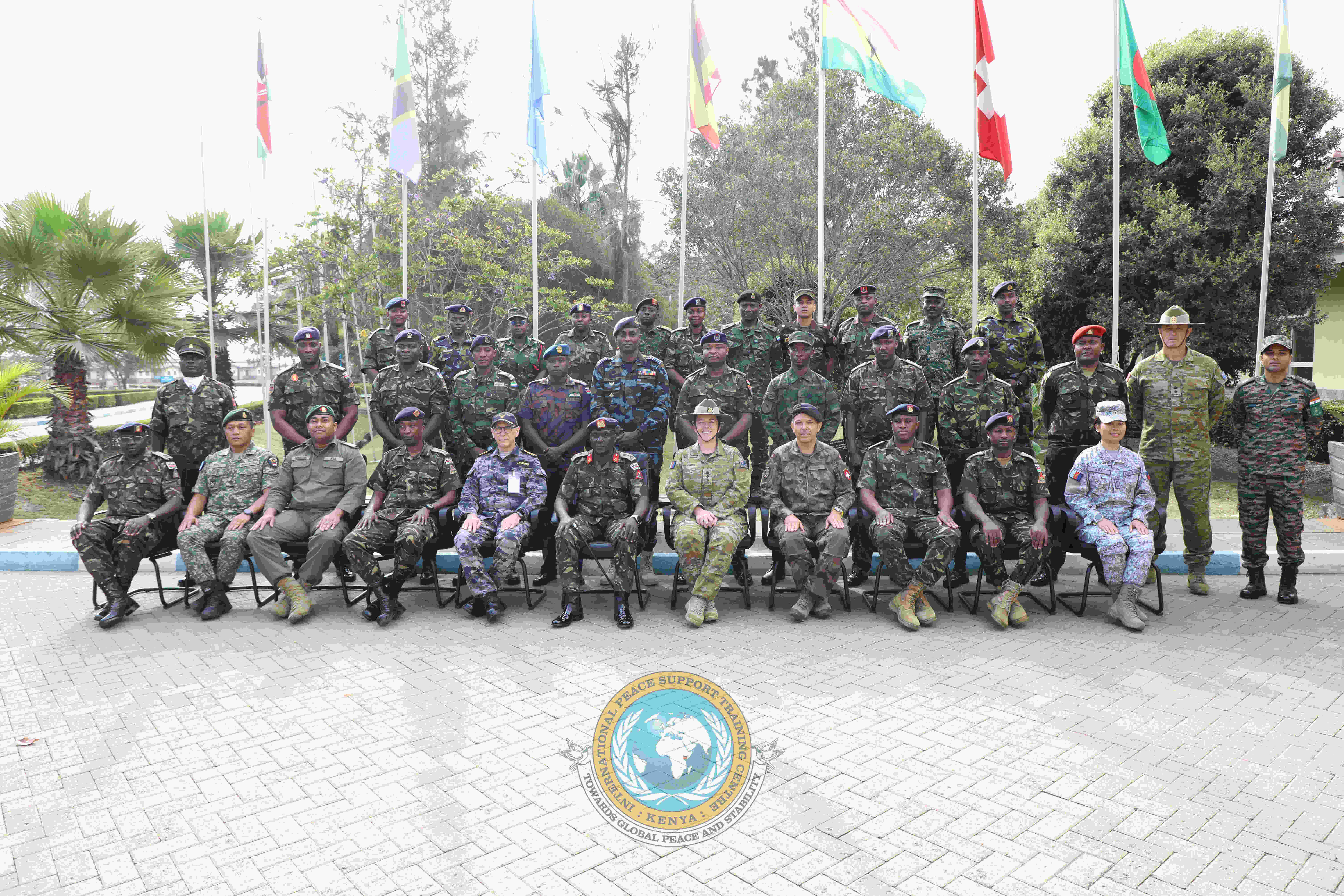
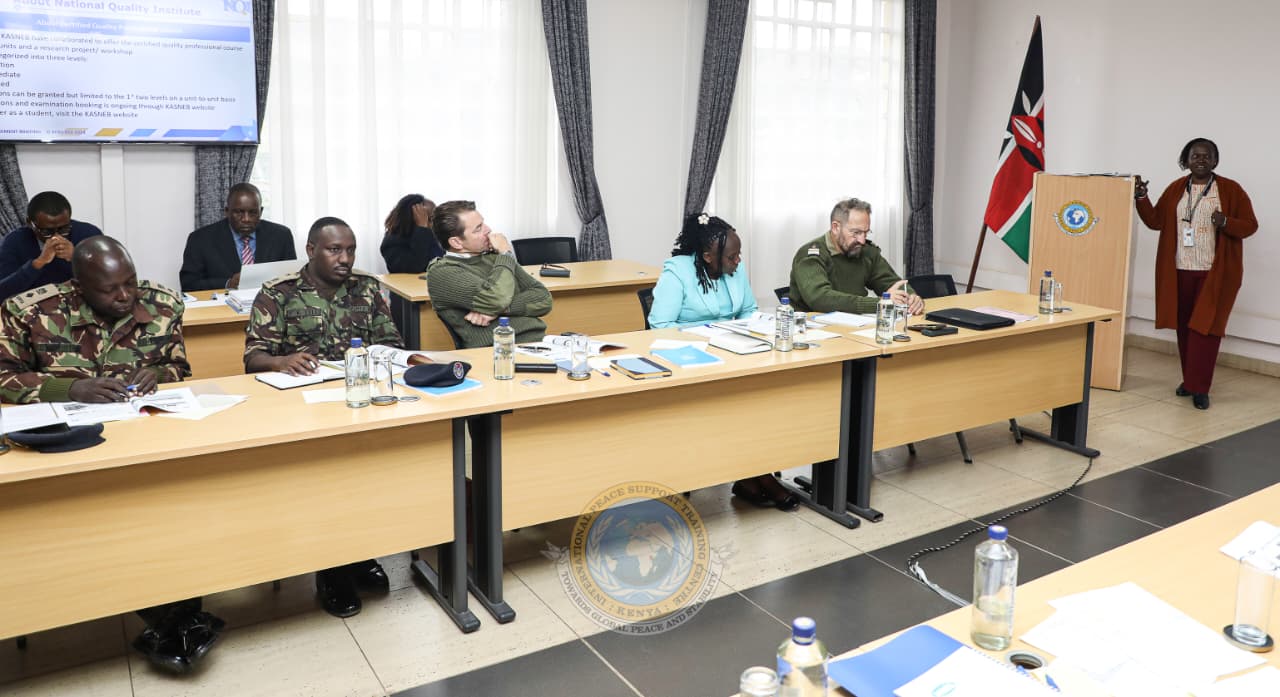
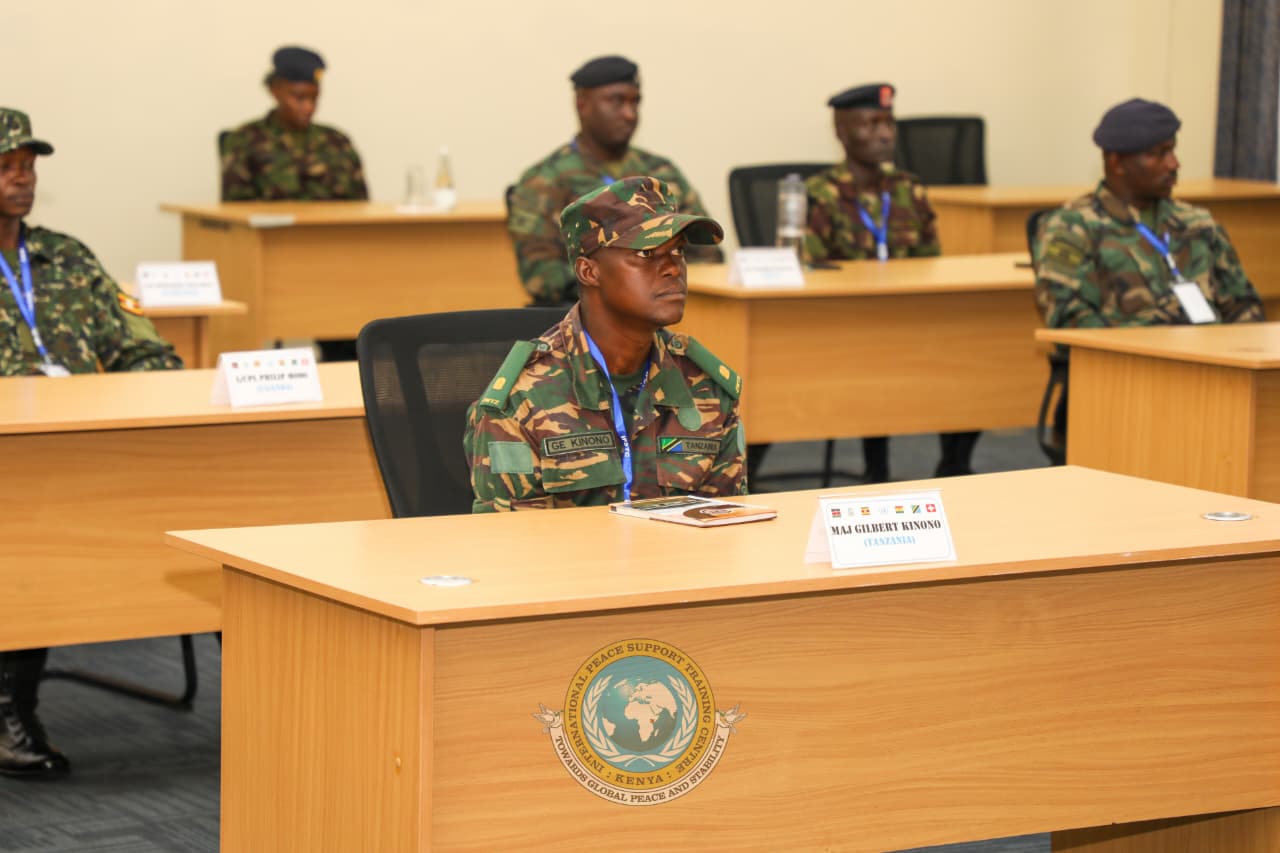
The United Nations Military Observers Course (UNMOC) brings together 24 participants from Kenya, Rwanda, Uganda, Bangladesh, Sierra Leone, Angola, Tanzania and Sri Lanka, for specialized training aimed at strengthening their preparedness to serve effectively in United Nations peace operations. Sponsored by the Australian Government, the course provides participants with the knowledge and practical skills required to effectively undertake the responsibilities of a UN Military Observer.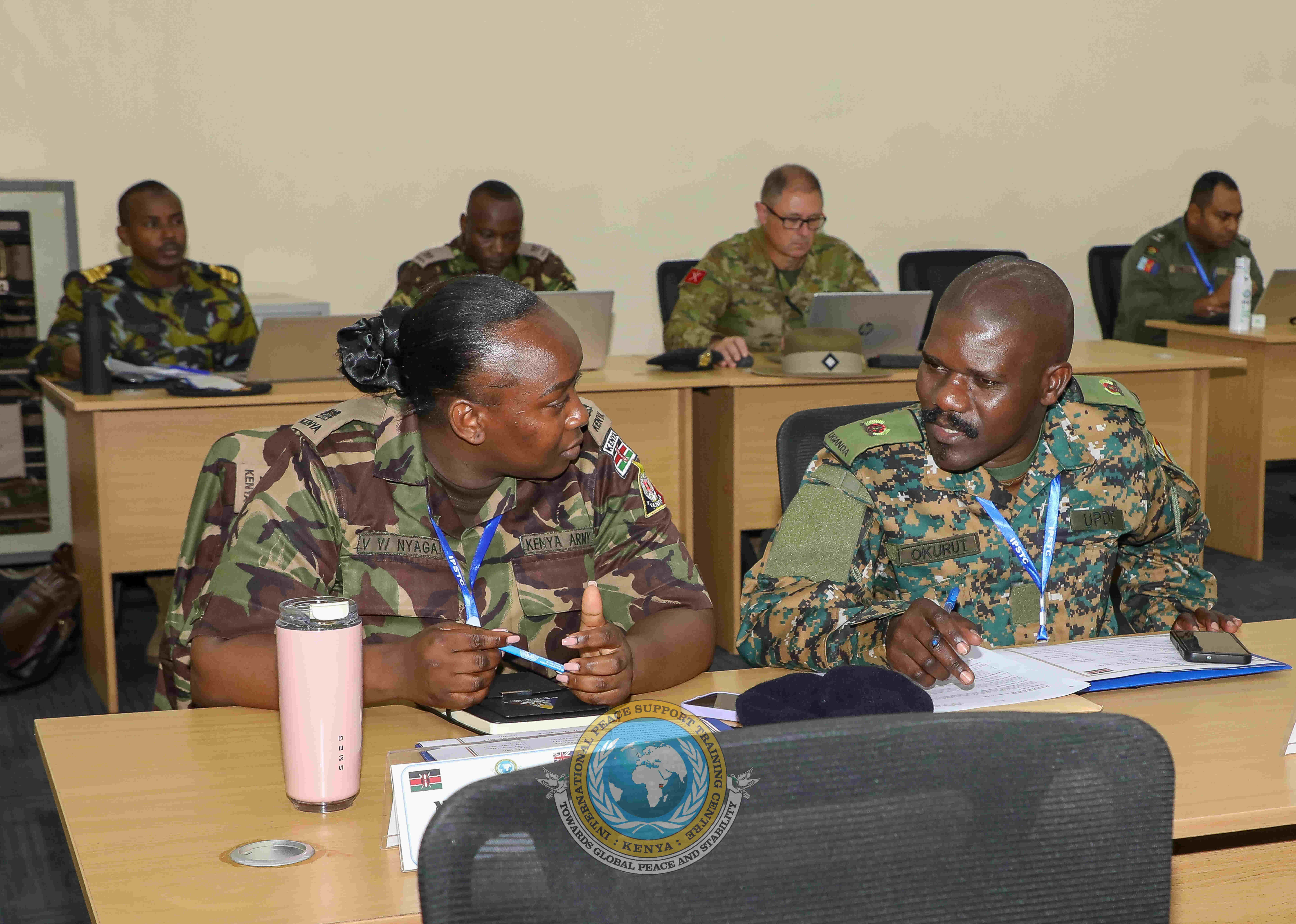 The course focuses on key competencies including observation, monitoring, reporting, liaison, communication, negotiation and coordination. These skills are essential for Military Observers operating in complex mission environments, where accurate information, impartial reporting and effective engagement with different stakeholders are critical to supporting mission mandates and informed decision-making.
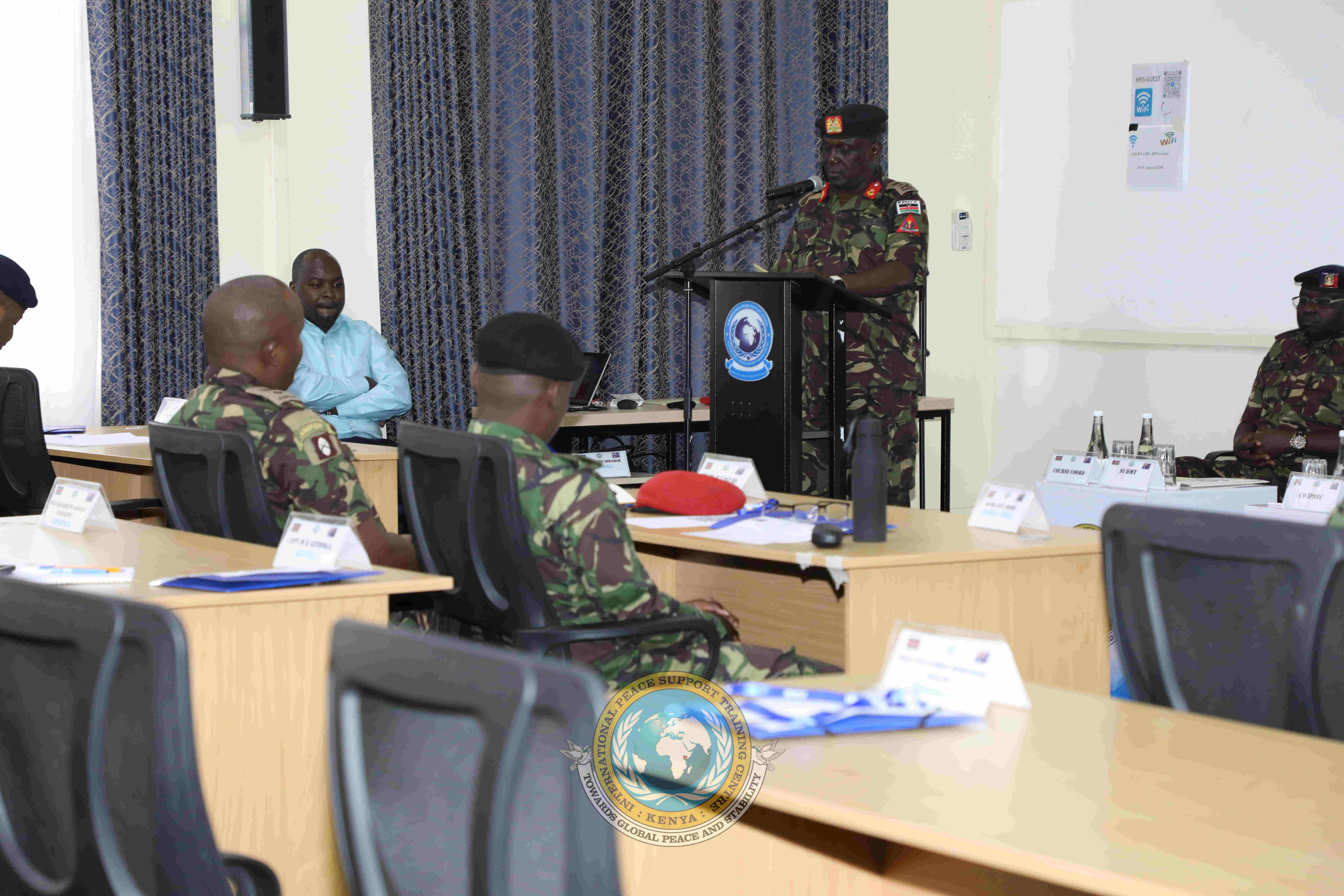 Beyond technical skills, UNMOC promotes international cooperation, knowledge exchange and interoperability. Bringing together officers from diverse countries and operational backgrounds creates an opportunity to share experiences, learn from different perspectives and build professional networks that can strengthen collaboration during future multinational peacekeeping deployments.
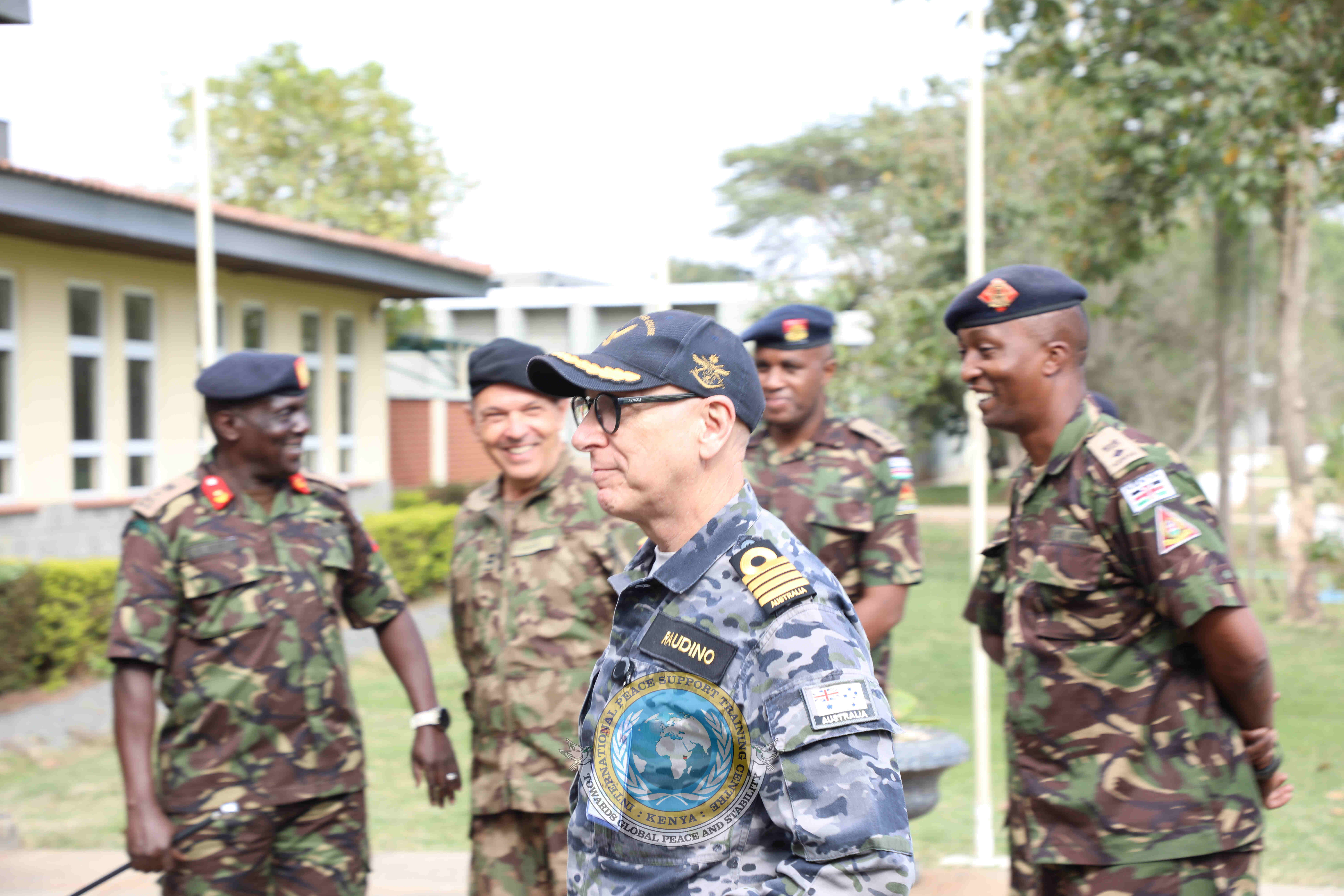 The impact of the training extends beyond the individual participants. By strengthening the capabilities of personnel who may be deployed to UN peace operations, the course contributes to improved operational readiness, stronger field coordination and more effective implementation of peacekeeping mandates. Participants return to their respective countries with enhanced competencies that can further contribute to national peacekeeping capacity.
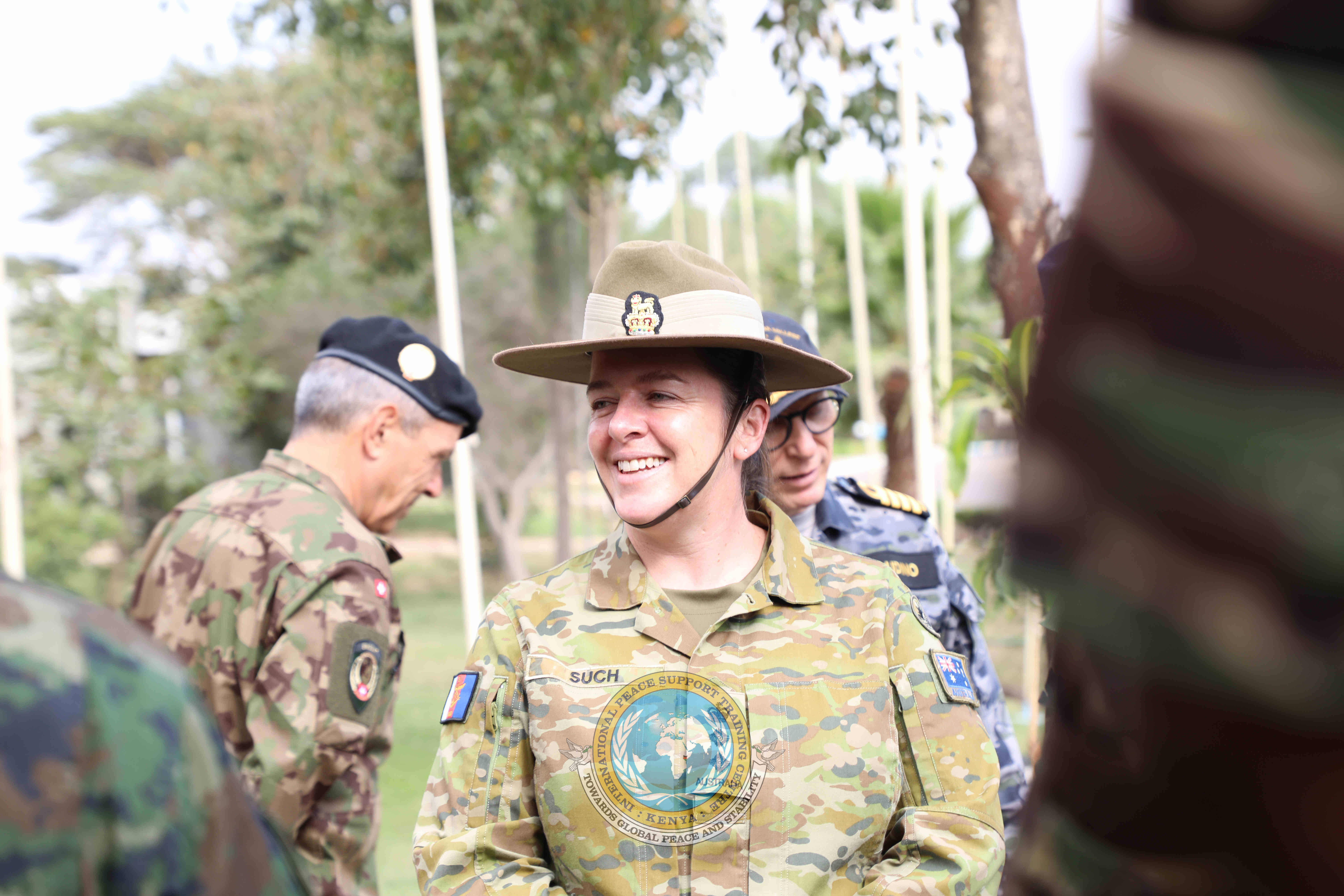 Ultimately, UNMOC is an investment in better-prepared peacekeepers and more effective peace operations. Through specialized training and international collaboration, the course contributes to strengthening the capacity of military personnel to support peace, stability and security in conflict-affected environments.
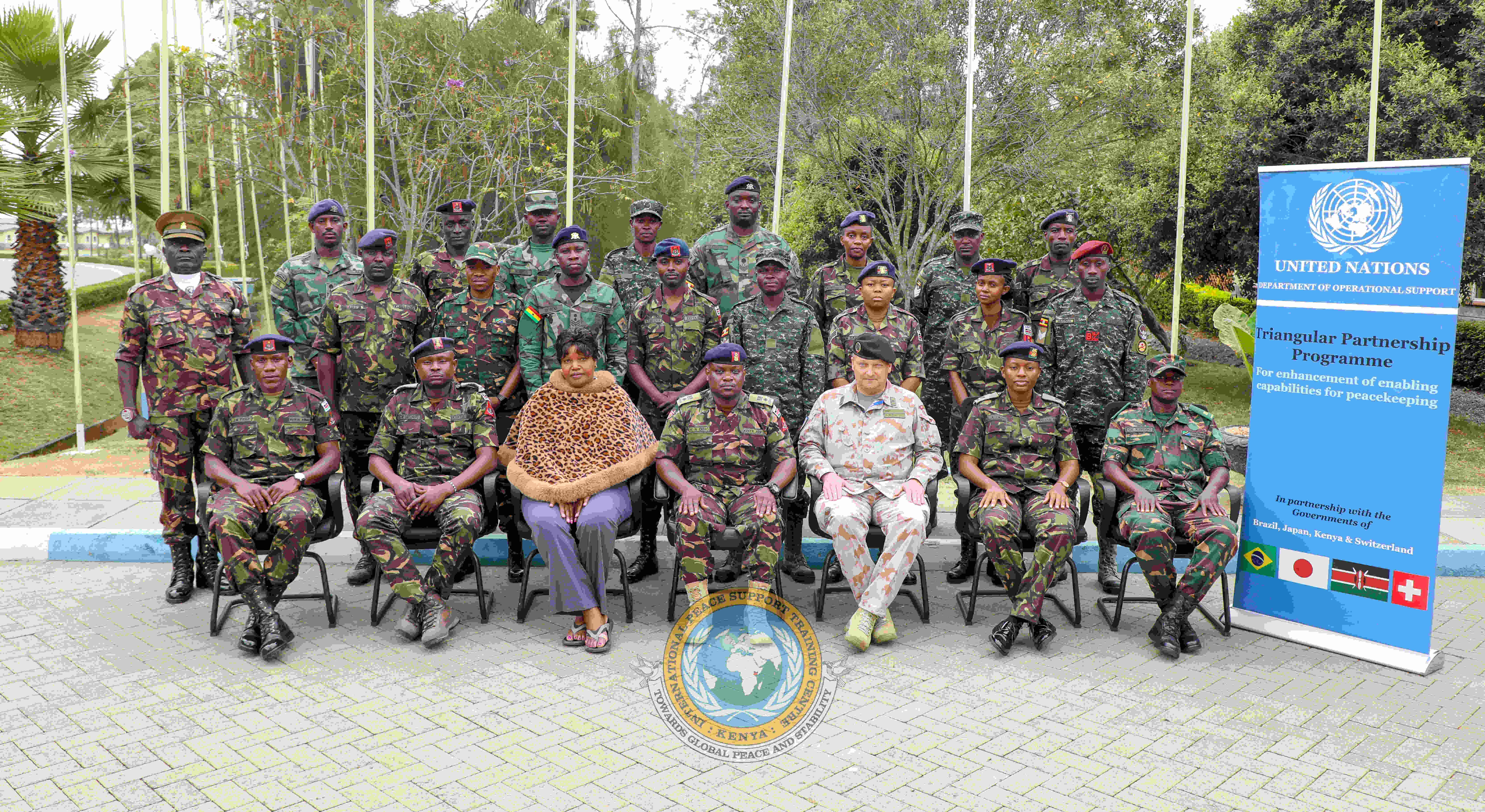
 The course is sponsored by the Government of Switzerland under the United Nations Triangular Partnership Programme (UNTPP), reflecting a continued commitment to building sustainable national and regional capabilities for safer and more effective peace support operations.
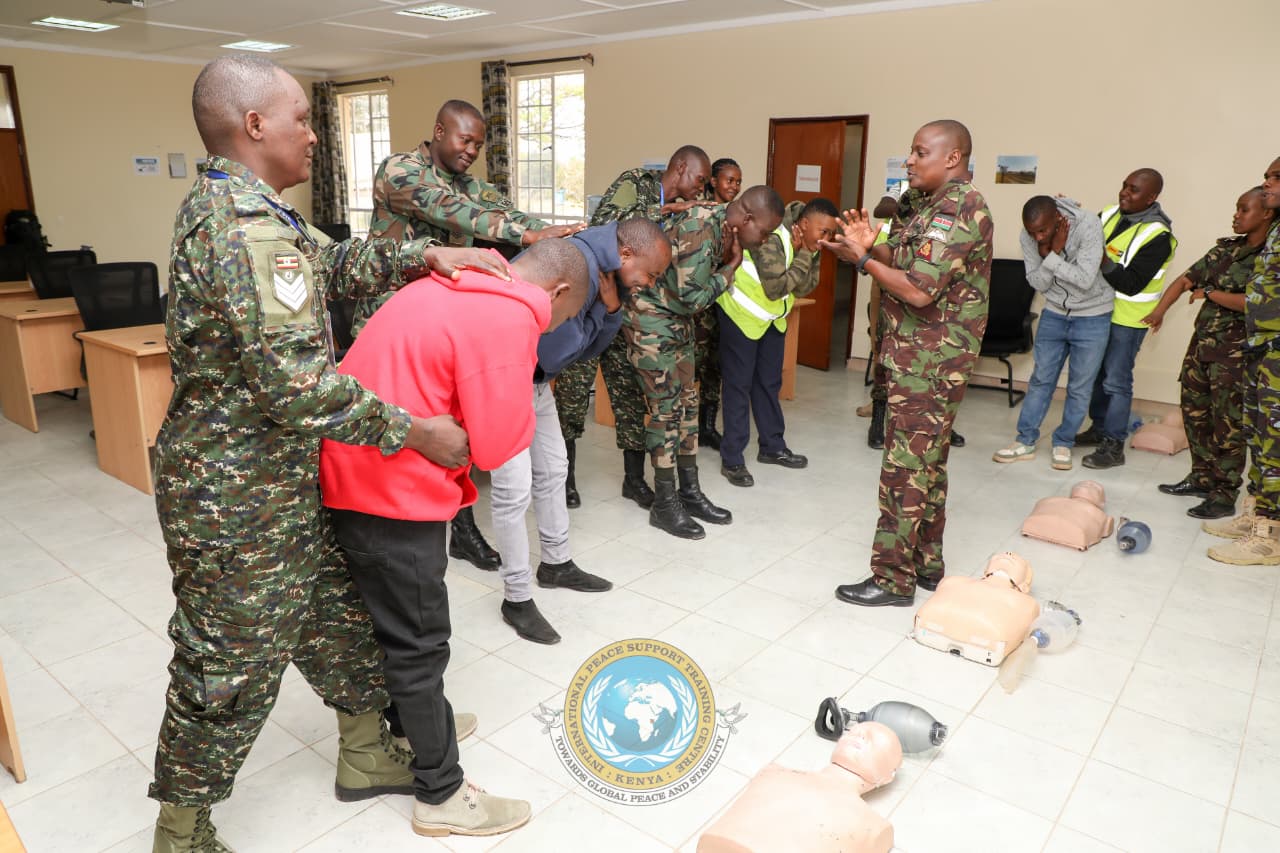 The Training of Trainers approach is at the heart of the course’s impact. Beyond equipping participants with technical knowledge and practical skills in heavy engineering equipment, the course prepares them to become multipliers of knowledge. Upon completion, the participants will return to their respective countries and use the competencies gained to train other personnel within their institutions and national peace support structures.
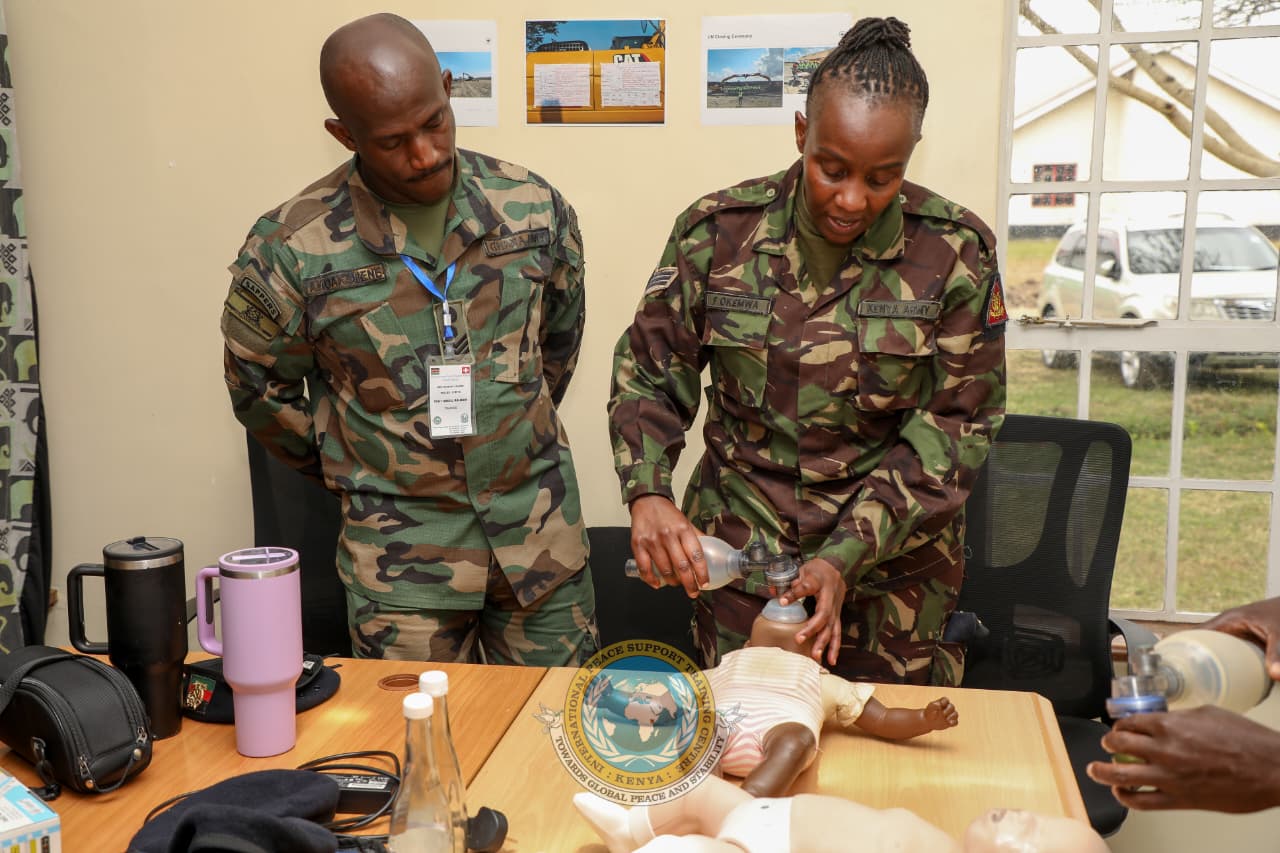 This multiplier effect significantly extends the reach and sustainability of the training. By developing competent trainers who can transfer knowledge within their own countries, the course contributes to the creation of a wider pool of skilled personnel capable of applying appropriate safety practices, and supporting engineering-related activities in challenging operational environments.
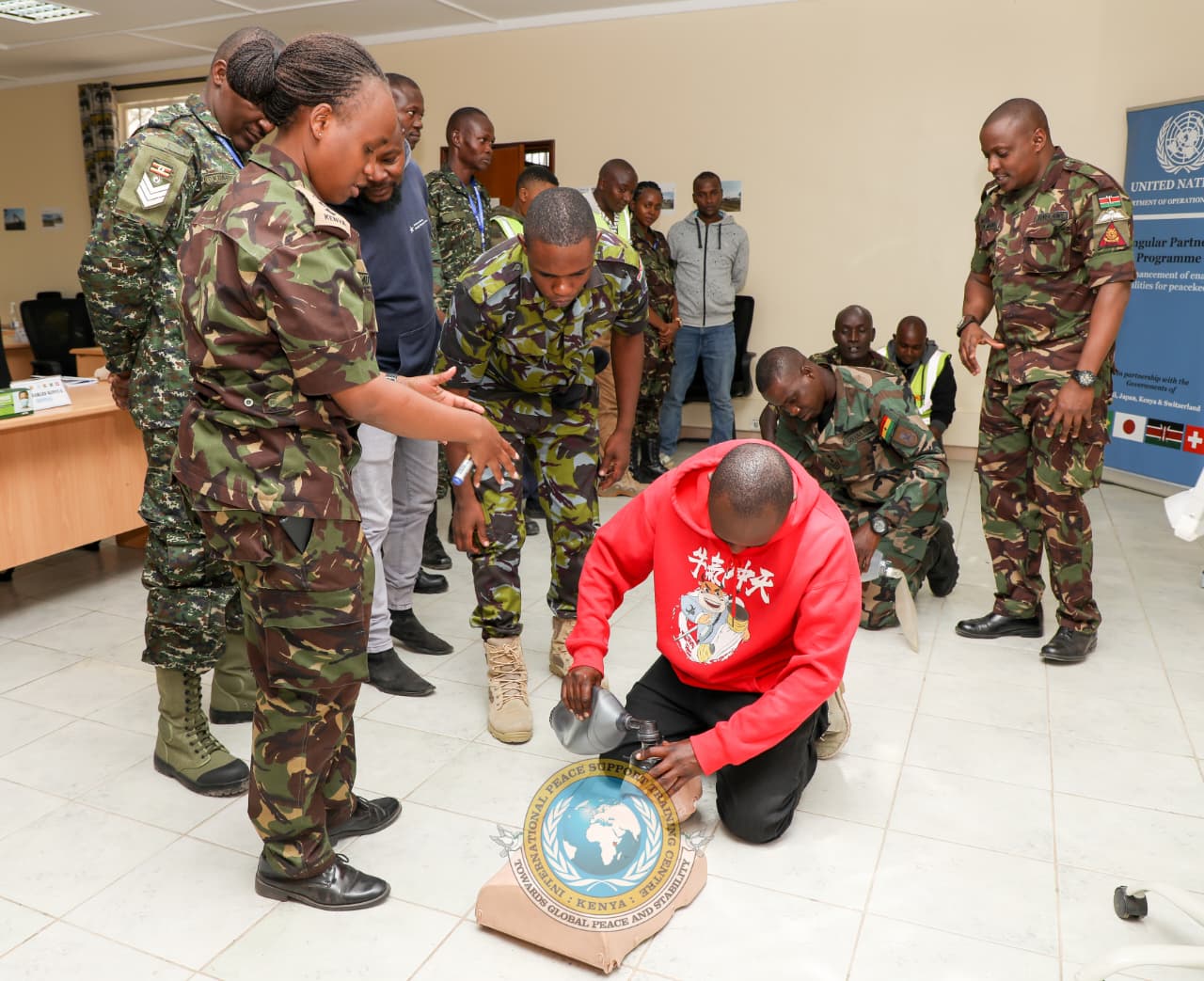 Through the exchange of expertise and experiences among the participants, the course also promotes regional cooperation and strengthens a shared approach to capacity building. The knowledge gained is therefore not limited to the classroom, it has the potential to be transferred across institutions, missions and countries, creating a lasting impact well beyond the duration of the course.
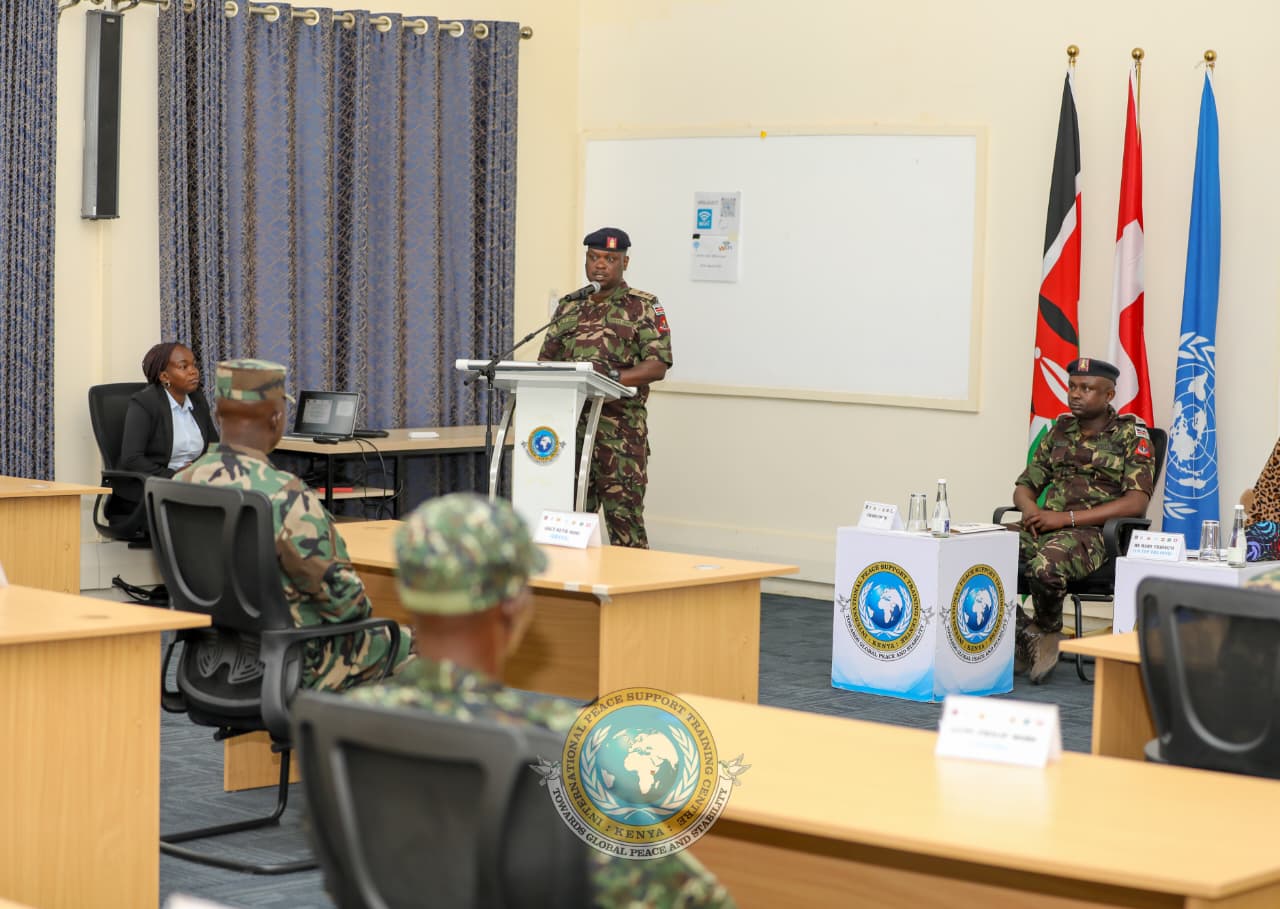 By training trainers today, the programme helps ensure that critical skills and knowledge continue to reach others tomorrow, strengthening preparedness, safety and effectiveness across peace support operations.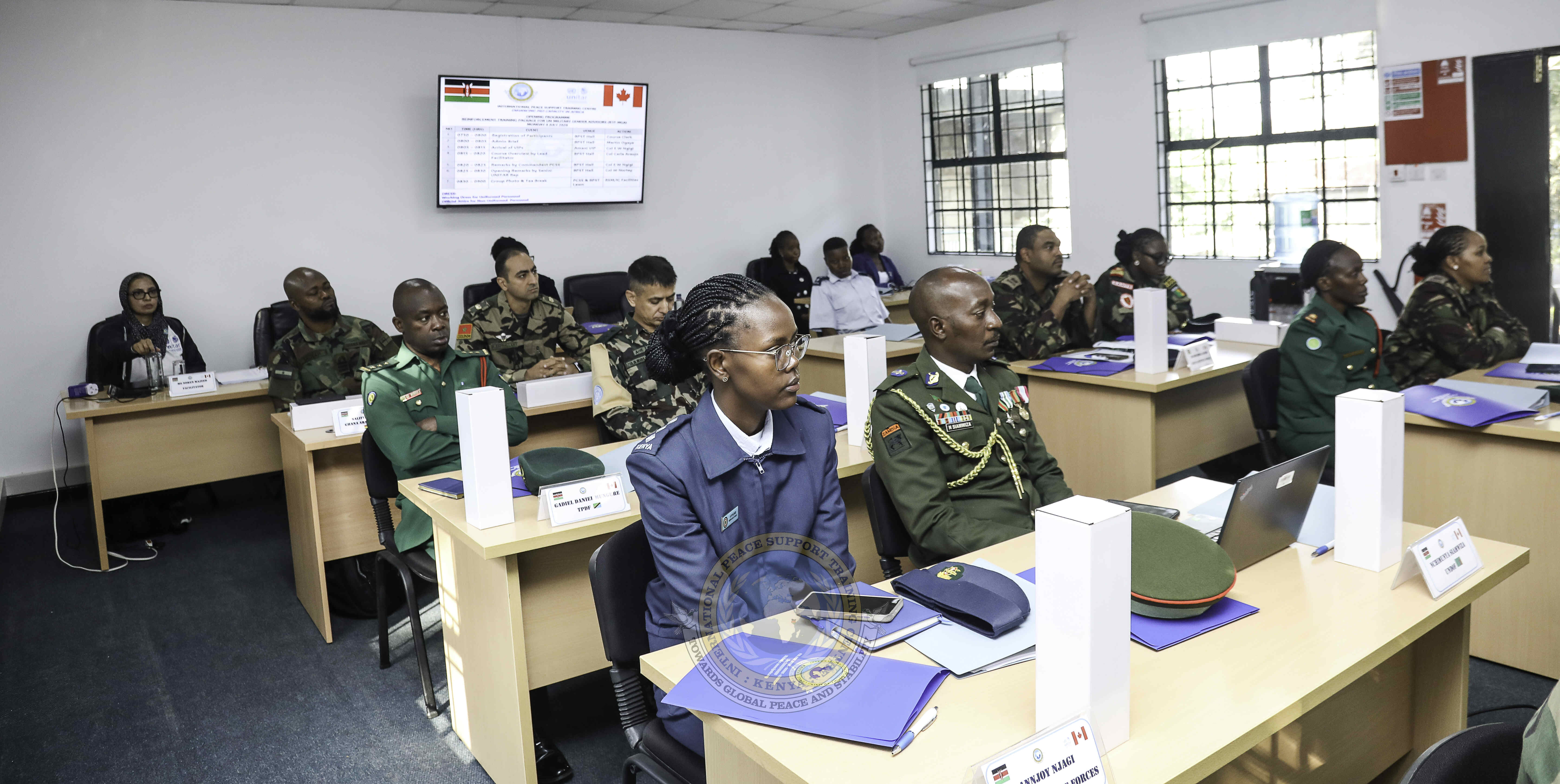
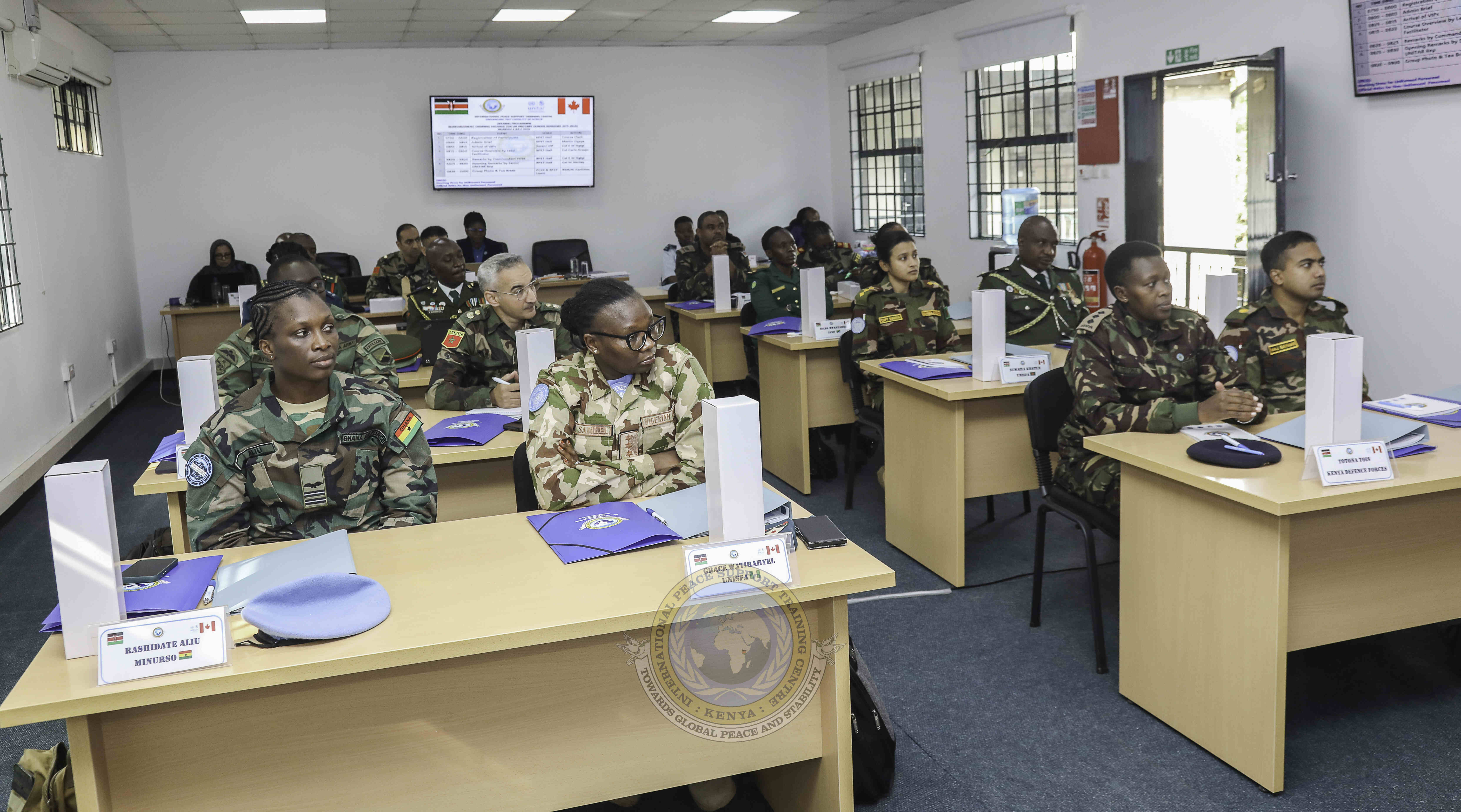 The training equips participants with the knowledge, skills, motivation, and attitude required to effectively serve as Military Gender Advisors (MGAs) and Military Gender Focal Points (MGFPs). It also prepares them to become agents of change, advancing the Women, Peace and Security (WPS) Agenda while promoting the protection and inclusion of women and other vulnerable groups in peace operations.
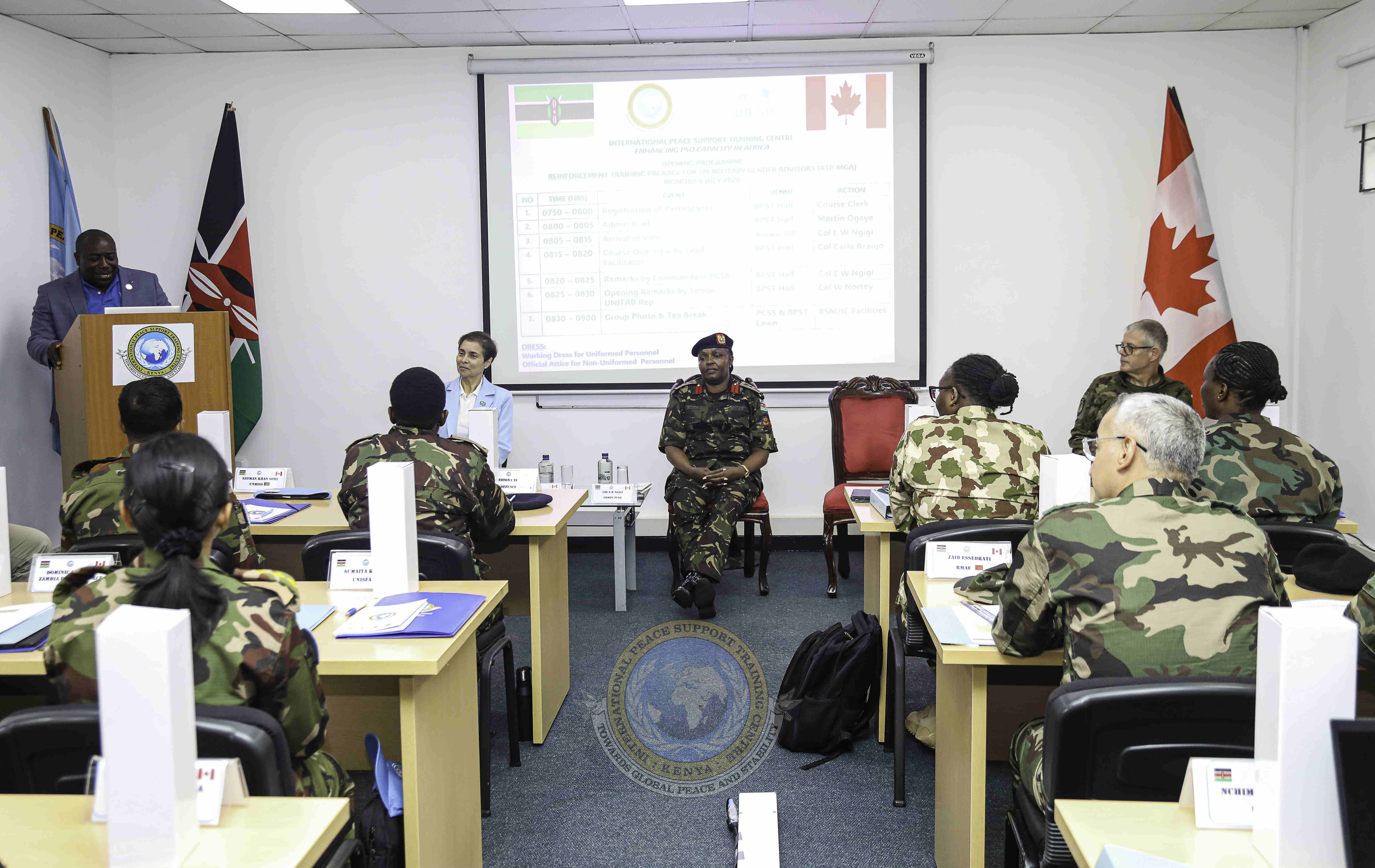 Speaking during the opening ceremony, the Commandant Peace and Conflict Studies School (PCSS), Colonel Emma Ngigi encouraged participants to take full advantage of the course by learning from one another's diverse operational experiences. She noted that over the two weeks, participants would strengthen their understanding of gender mainstreaming, enhance their practical skills, and exchange lessons learned from peace support missions.