π‘π„π†πˆπŽππ€π‹ π–πŽπŒπ„π π€πŒπŒπ”ππˆπ“πˆπŽπ π“π„π‚π‡ππˆπ‚π€π‹ 𝐄𝐗𝐏𝐄𝐑𝐓𝐒 (𝐑𝐖𝐀𝐓𝐄) π‚πŽπ”π‘π’π„

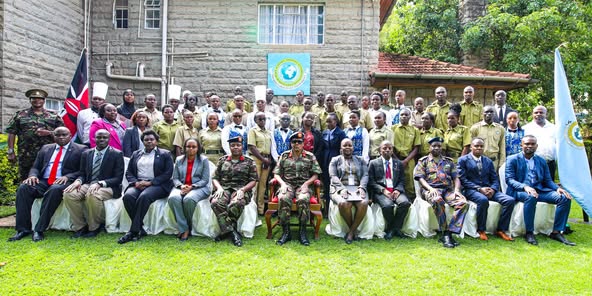
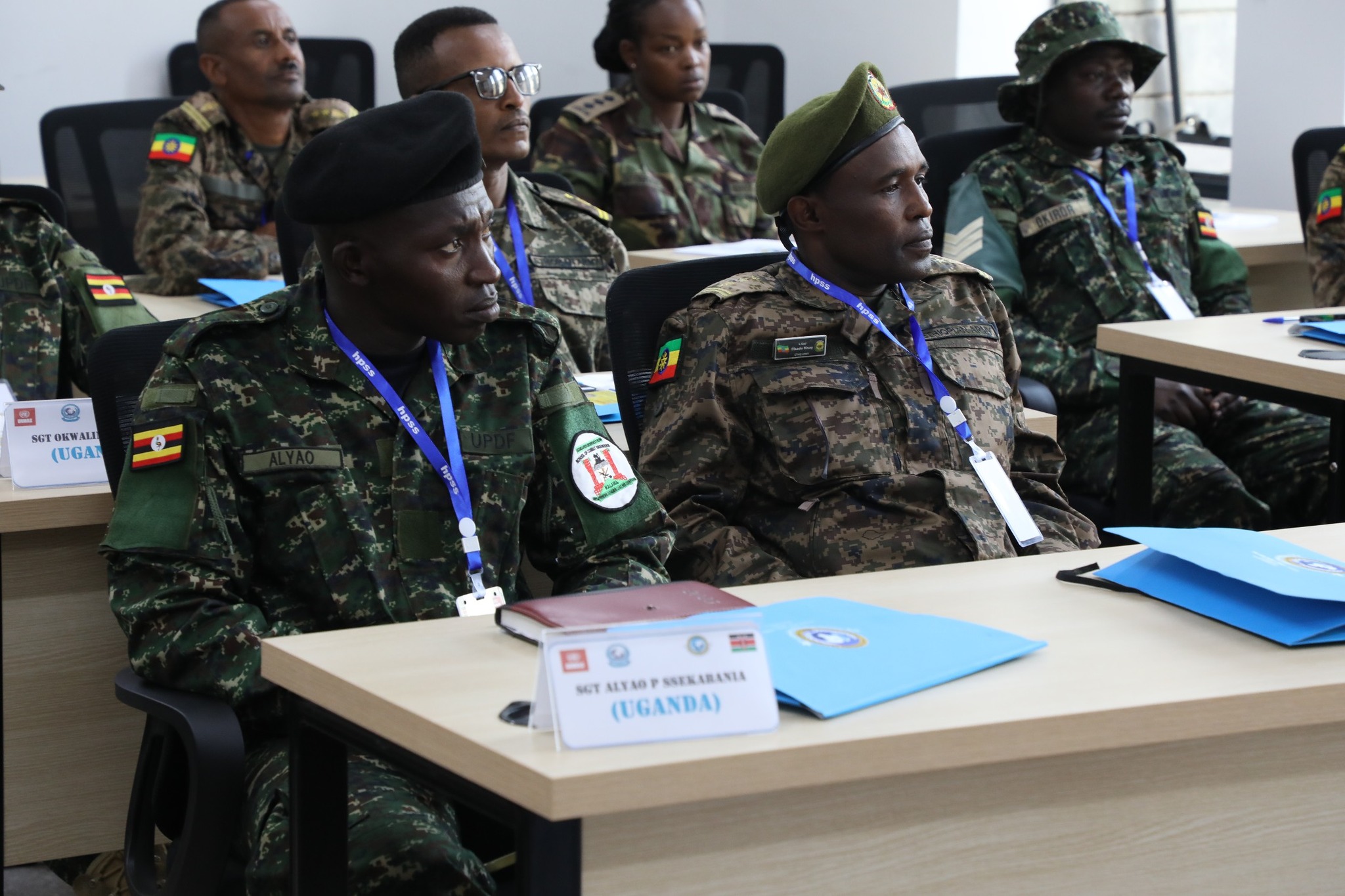
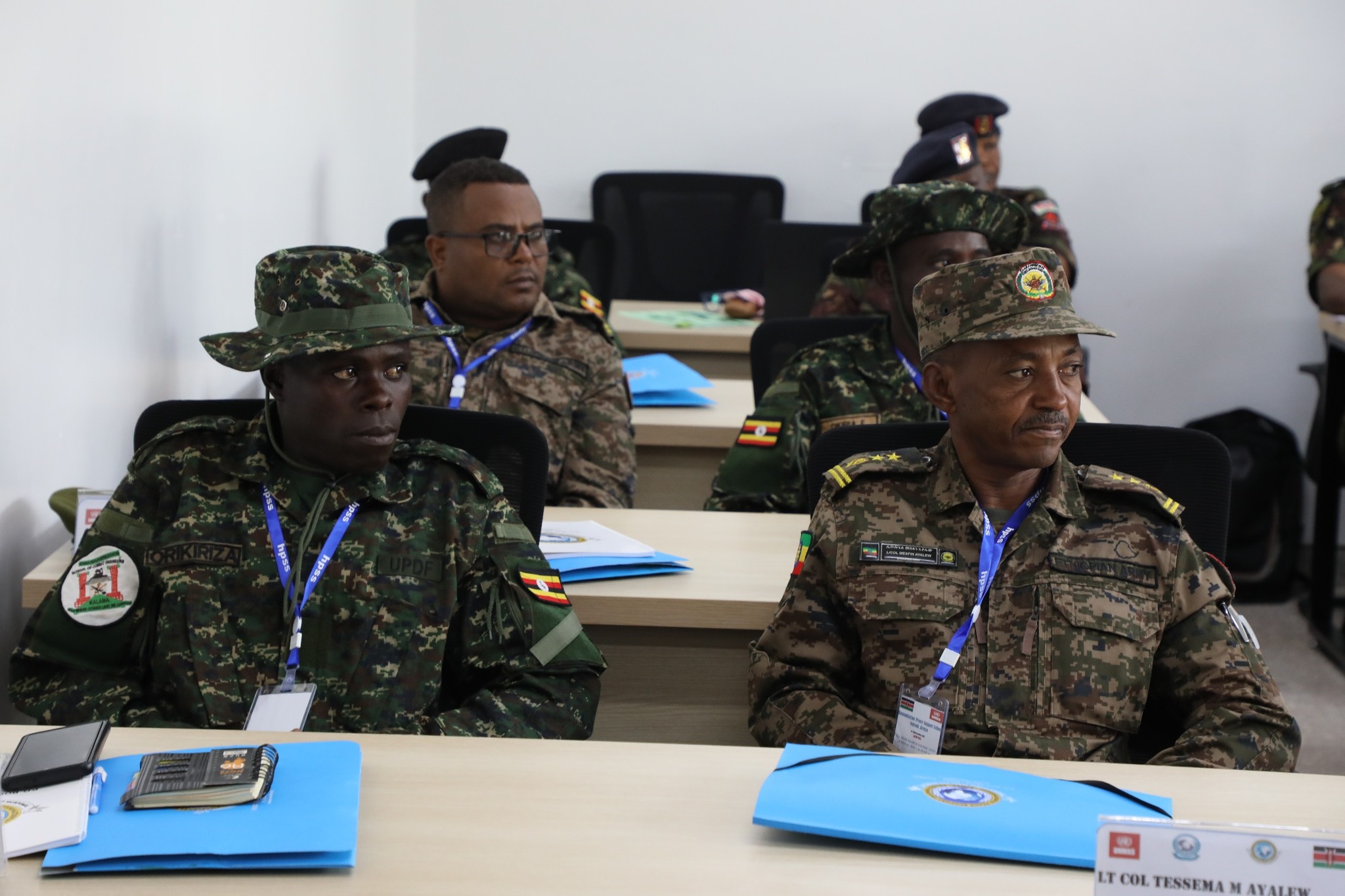
The Regional Women Ammunition Technical Experts (RWATE) Course commenced on 24 March 2025 at the Humanitarian Peace Support School (HPSS) in Embakasi. The Course sponsored by the Government of Austria and supported by the Regional Centre for Small Arms (RECSA) has participants from Ethiopia, Kenya, Rwanda, Seychelles, Tanzania, and Uganda.
RWATE 2
The course aims to enhance the technical expertise of women in the field of ammunition management, safety, and disposal. It seeks to empower participants with the knowledge and skills necessary to handle ammunition safely and efficiently. Additionally, it promotes gender inclusivity in the sector, encouraging more women to take on leadership roles in technical fields. Beyond technical training, the course fosters professional networking, enabling participants to exchange ideas, share best practices, and build lasting connections that will contribute to regional cooperation and security.
RWATE 4
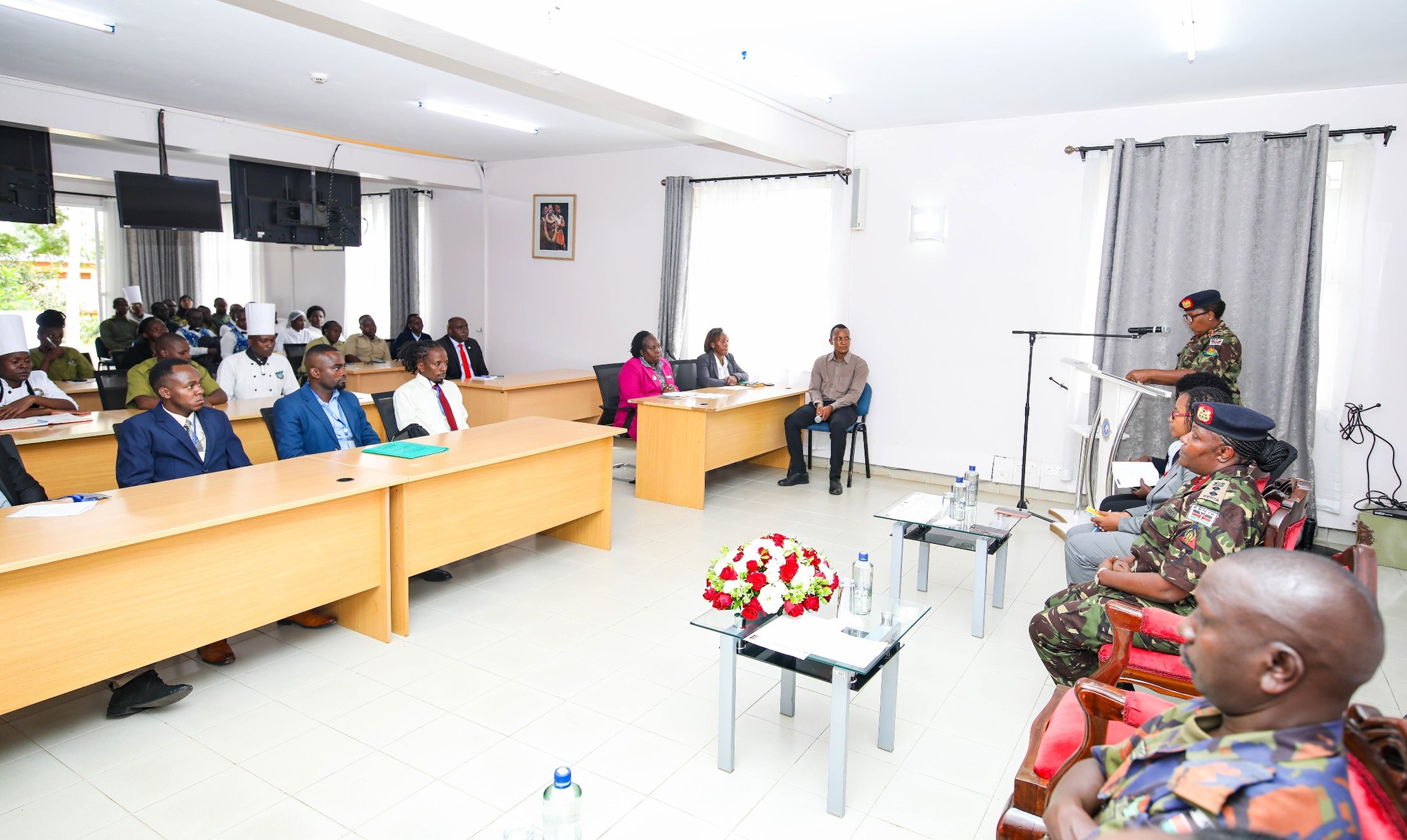
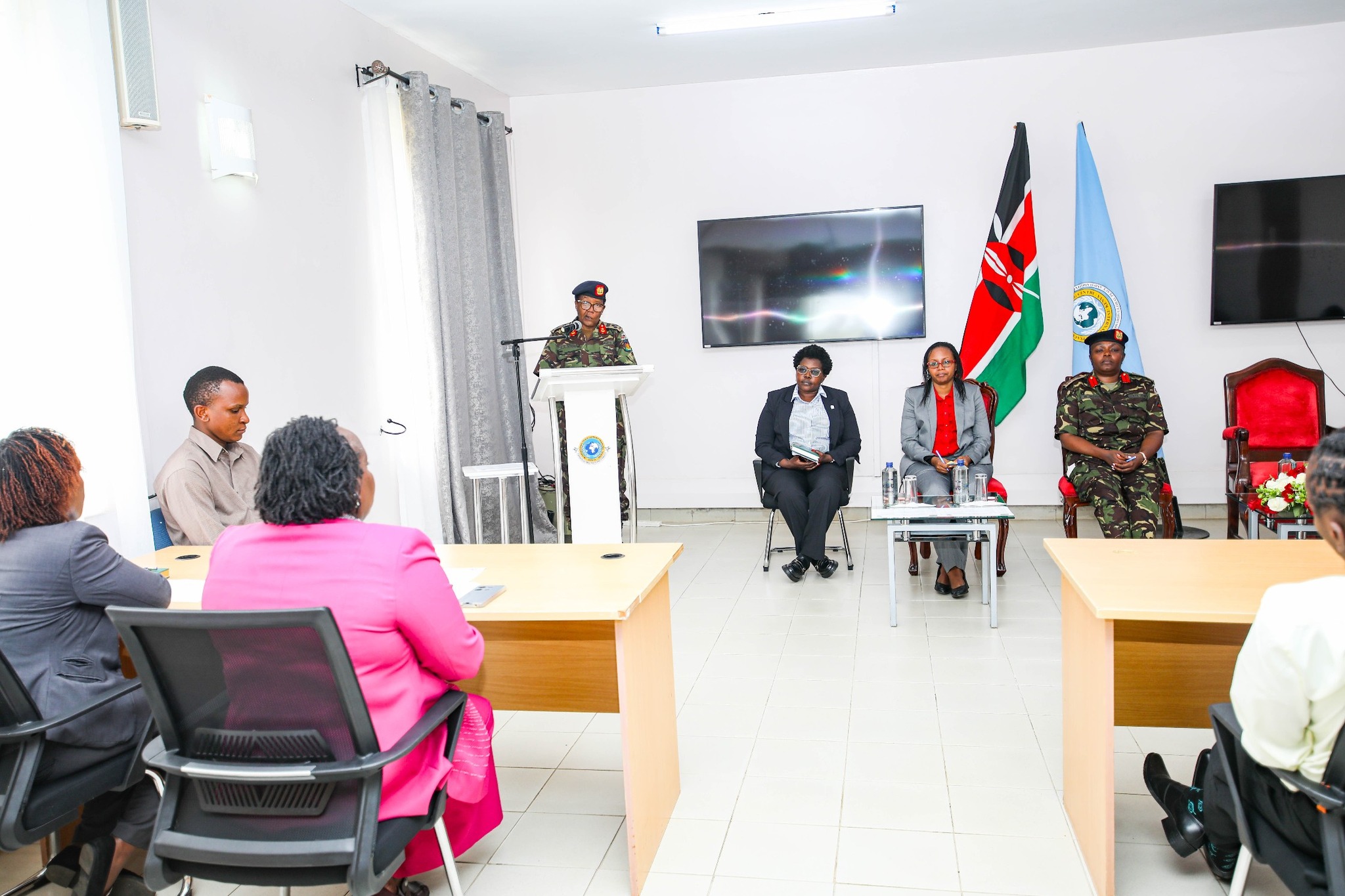
The Kenya Air Force Commander, Major General Fatuma Ahmed highlighted that the course will equip the participants with the technical knowledge and skills required to excel in this demanding field. She emphasized that the success of this course will pave the way for more women to take up critical roles in ammunition management, explosive ordnance disposal, and technical advisory positions within peacekeeping and national security frameworks.
RWATE 6
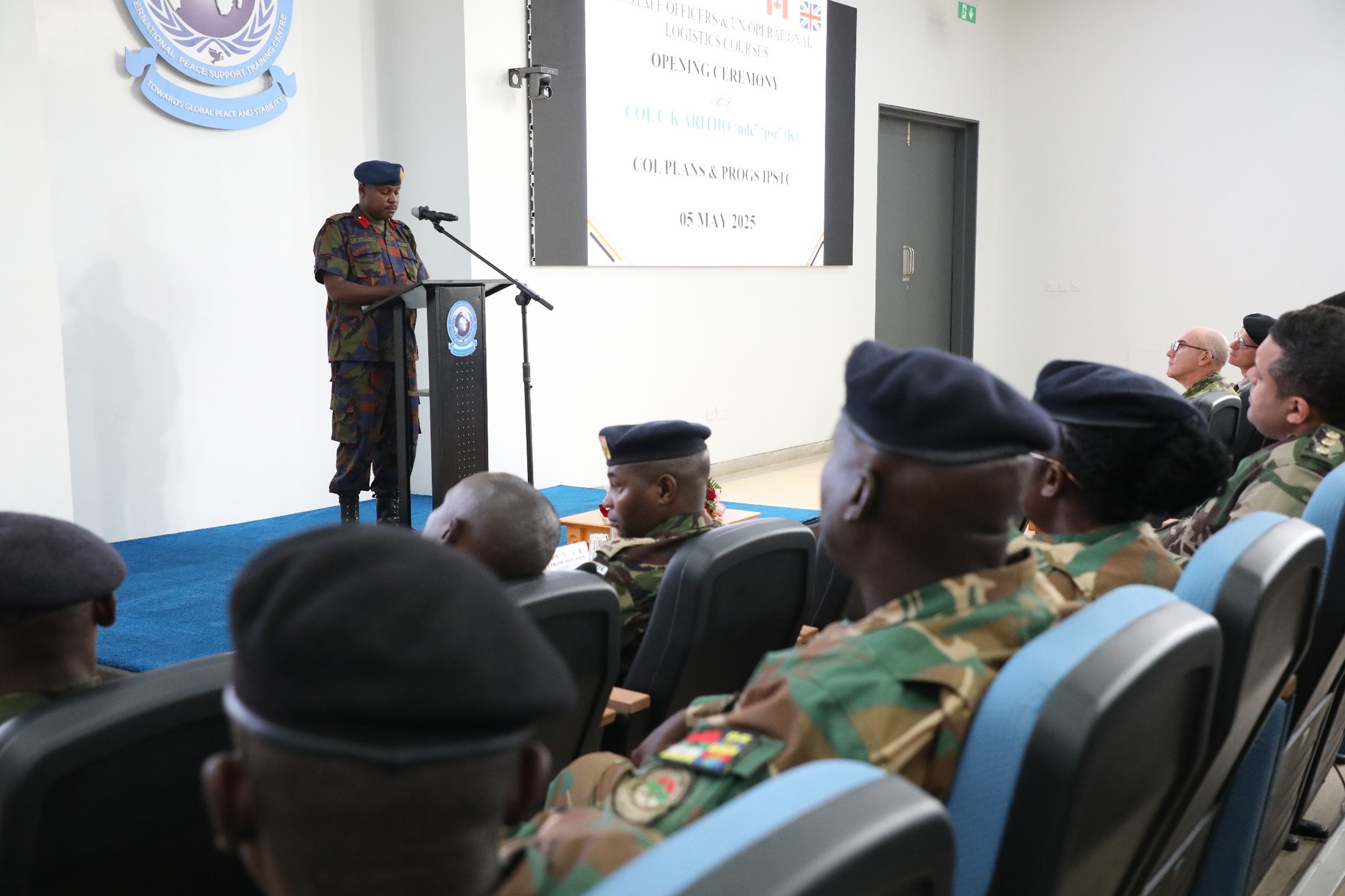
The Colonel Plans and Programmes IPSTC, Colonel C Aritho emphasized that the course participants are pioneers who represent progress, resilience, and the future of ammunition management and explosive ordnance disposal in our region. He urged the participants to fully embrace this opportunity to learn and collaborate.
RWATE 3
The Chief Guest, Secretary General and Policy Director Austria MOD Dr. Arnold Kammel commended the organizers for their efforts in advancing women’s participation in ammunition technical fields. In his speech, he emphasized that the Regional Women Ammunition Technical Experts Course would not only equip participants with essential technical expertise but also foster valuable networking opportunities. He encouraged the participants to actively engage with one another and expressed confidence that the course would contribute to building a strong network of skilled women in the field, strengthening regional security and technical capabilities.
RWATE 5
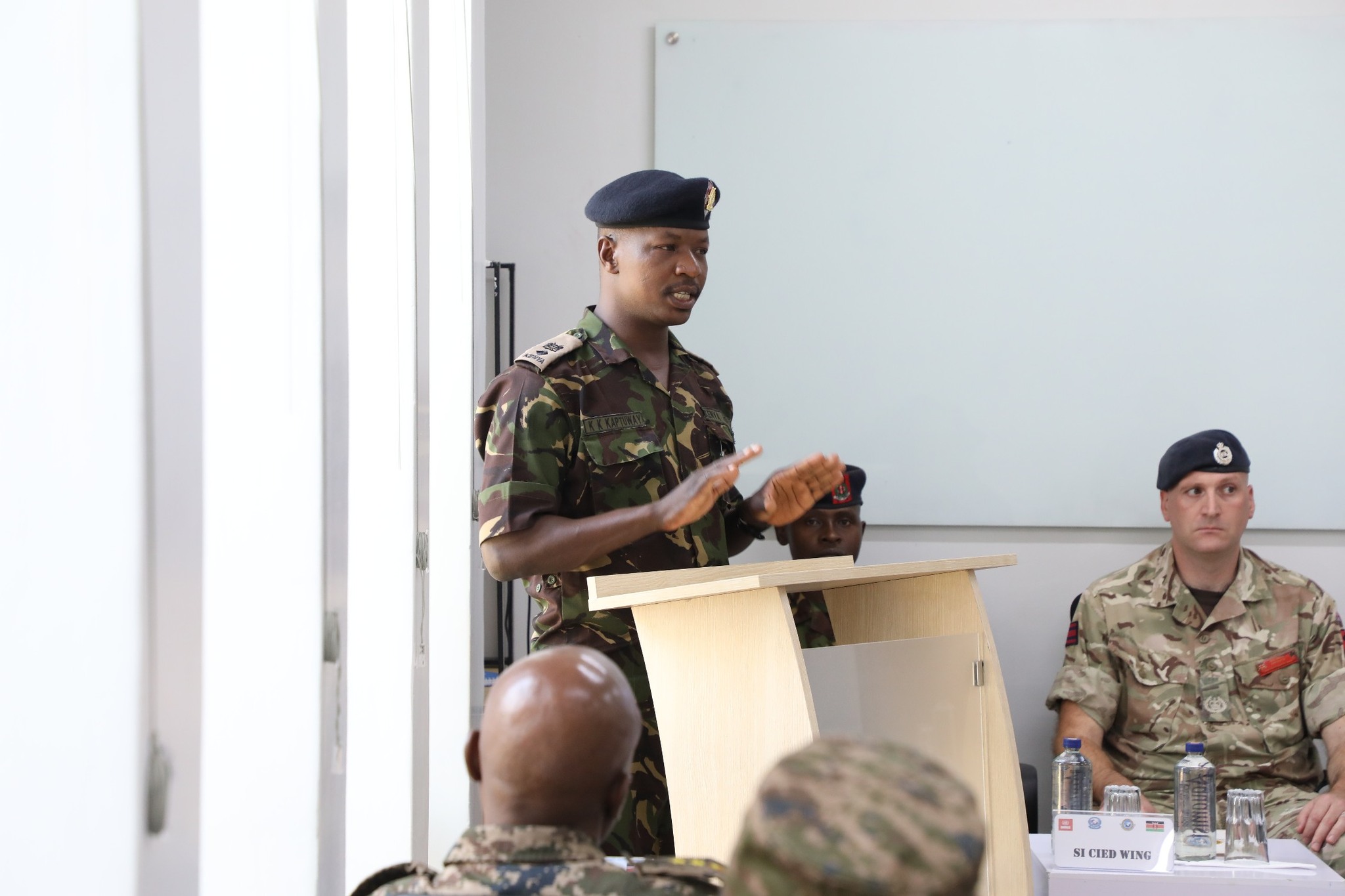
Also in attendance was Director of Defence Policy and International Relations Brig General Roland Vartok, Deputy Commandant HPSS Lt. Col. Kaptuway, Executive Secretary of Regional Center on Small Arms (RECSA) Mr. Jean Pierre Betindji, Kenya National Focal Point Deputy Director Mr. Richard Mwaura, and other distinguished guests.

ππ‡π˜π’πˆπ‚π€π‹ π’π„π‚π”π‘πˆπ“π˜ 𝐀𝐍𝐃 π’π“πŽπ‚πŠππˆπ‹π„ πŒπ€ππ€π†π„πŒπ„ππ“ (ππ’π’πŒ) π‚πŽπ”π‘π’π„

The Physical Security and Stockpile Management (PSSM) course is underway at the Humanitarian Peace Support School (HPSS) in Embakasi. The course aims to equip participants with the knowledge and skills necessary to enhance the security, accountability, and proper management of weapons and ammunition stockpiles, reducing risks associated with their storage and handling. The course sponsored by the Multinational on Small Arms Group (MSAG) has attracted a diverse group of participants from Kenya, Eritrea, Uganda, Ethiopia, Tanzania, Rwanda, Burundi, South Sudan, Sudan and the United States of America.
PSSM 3
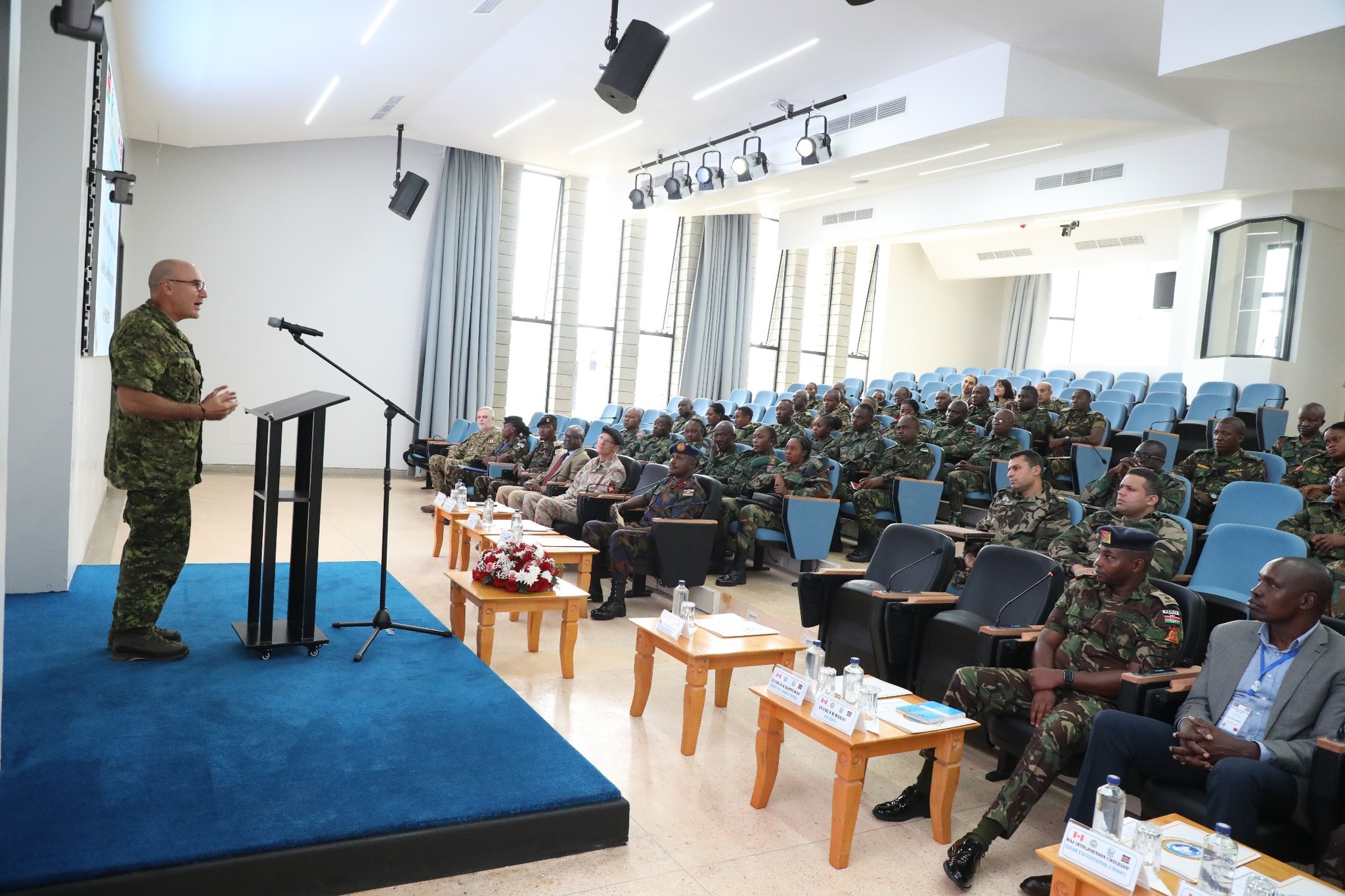
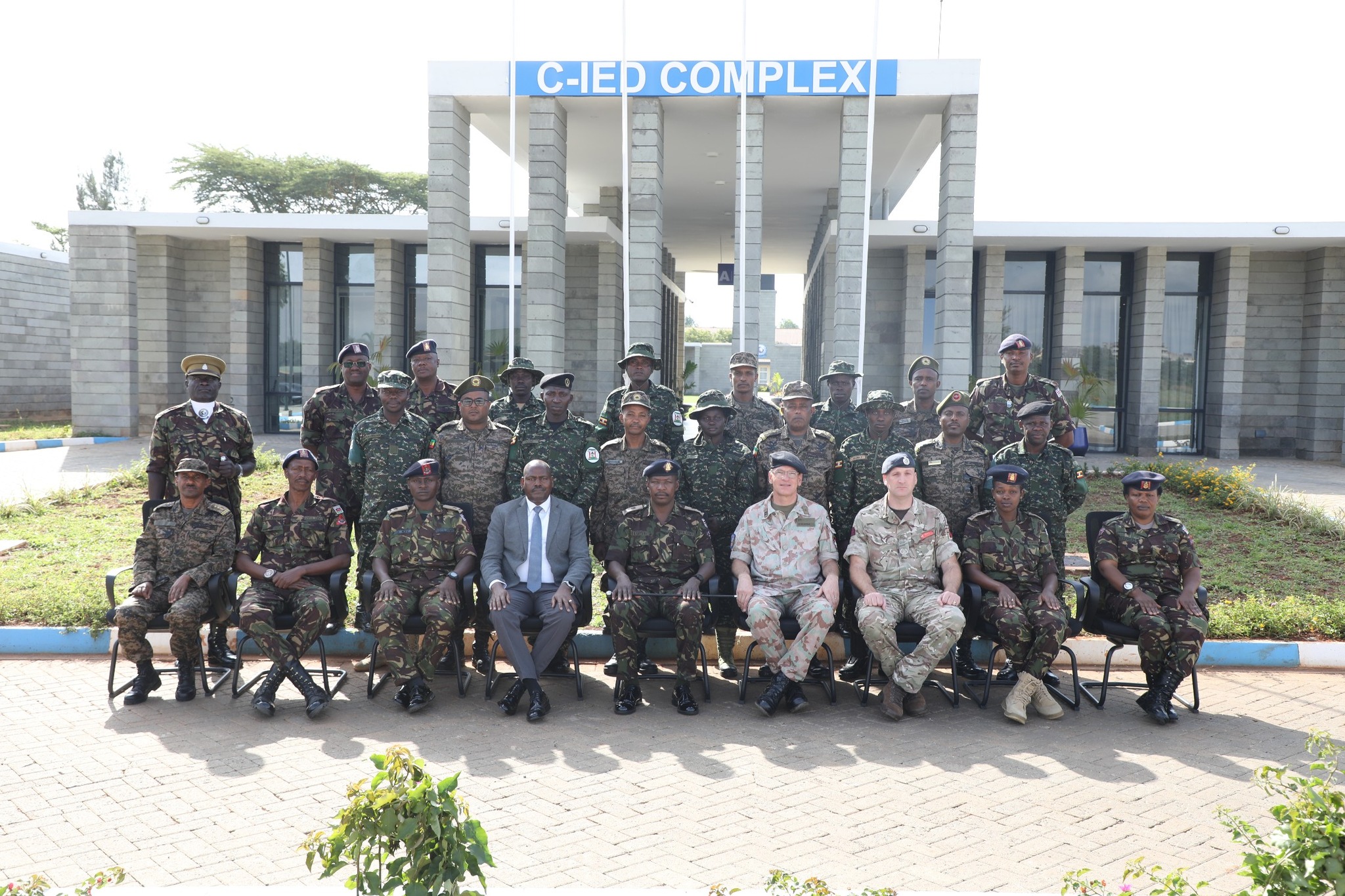
The opening ceremony was attended by distinguished guests and participants from various organizations. Notable attendees included Representative Executive Secretary Regional Centre om Small Arms (RECSA) Col David Twinomujuni, the Lead Facilitator Col Thomas Krainz, Bonn International Centre for Conflict Studies (BICC) Representative Mrs. Christine Beeck, MSAG Team led by Colonel Hans. Their presence highlighted the significance of the training program and reinforced the commitment to strengthening stockpile security and management through collaboration and knowledge-sharing.
PSSM 2
The Head of Training HPSS LT Col Alex Neukomm, delivered the keynote address, highlighting the importance of effective stockpile management in ensuring security and preventing the risks associated with poorly managed weapons and ammunition. He also underscored the role of training and capacity building in strengthening physical security measures and called for collaboration between stakeholders to enhance stockpile management efforts.
PSSM 4
The launch of the PSSM course set a strong foundation for enhancing stockpile security. As the training progresses, participants are expected to gain valuable knowledge and skills that will contribute to improved security and accountability in their respective institutions.

π”ππˆπ“π„πƒ ππ€π“πˆπŽππ’ πŒπˆπ‹πˆπ“π€π‘π˜ ππ„π€π‚π„πŠπ„π„ππˆππ† πˆππ“π„π‹π‹πˆπ†π„ππ‚π„ (π”ππŒππŠπˆ) π‚πŽπ”π‘π’π„

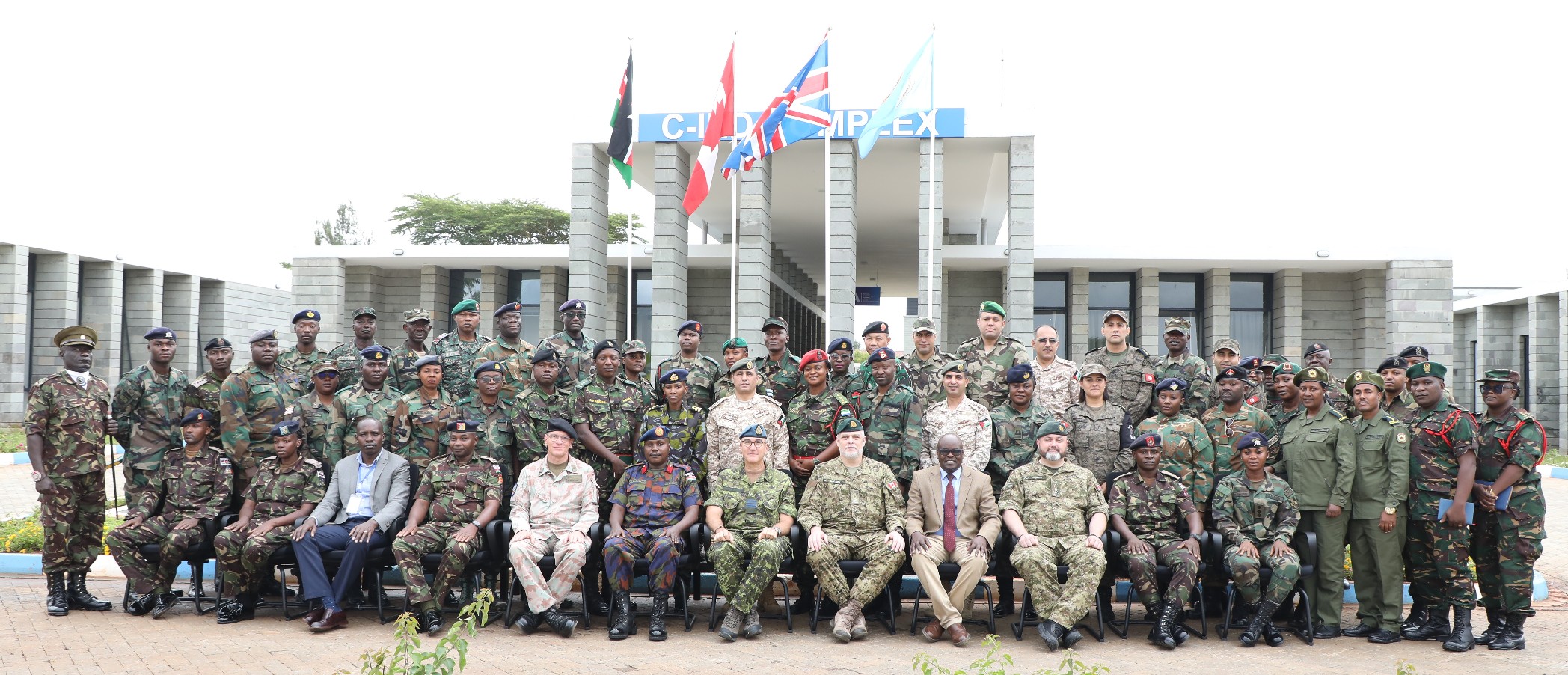
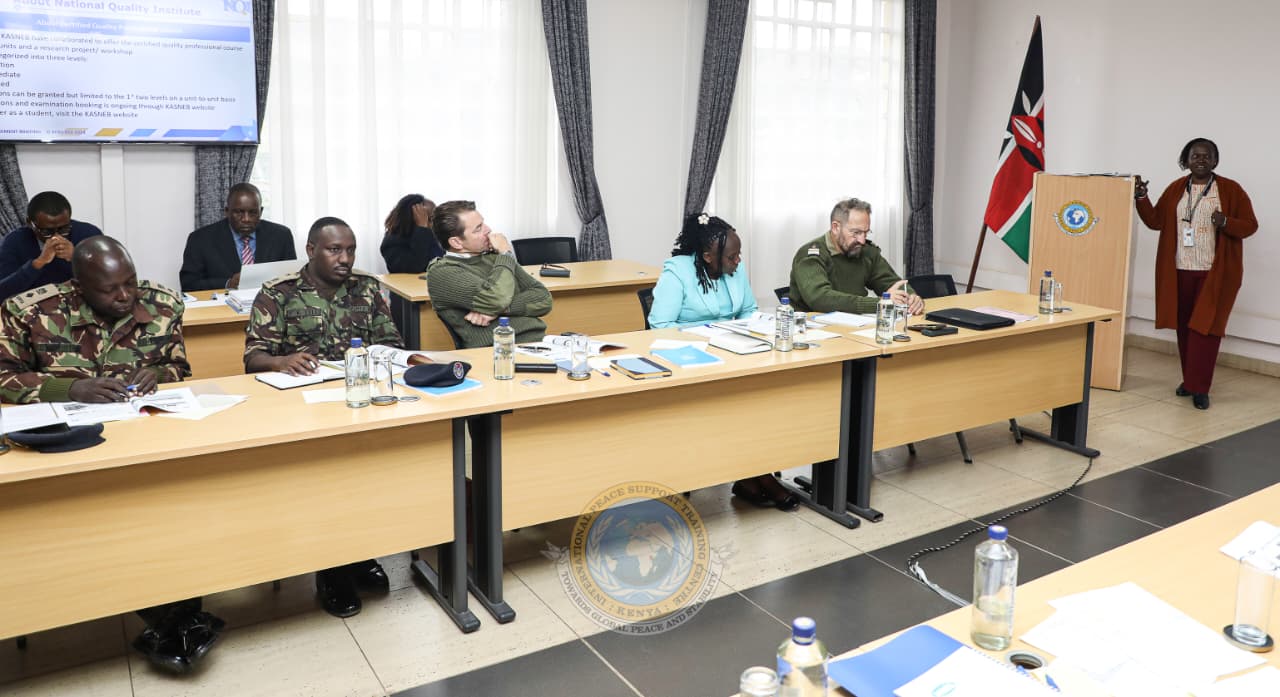
The United Nations Military Peacekeeping Intelligence (UNMPKI) Course began today at the Humanitarian Peace Support School (HPSS) in Embakasi. The course sponsored by the United Kingdom through the British Peace Support Team-Africa (BPST-A) aims to equip military personnel with the knowledge and skills necessary to collect, analyze, and utilize intelligence in support of UN peacekeeping operations.
UN MPKI 2
The course plays a vital role in enhancing the intelligence capabilities of peacekeeping forces. By equipping participants with essential skills and fostering collaboration, the training ensures more effective mission execution and improved security outcomes. The knowledge gained will not only benefit the personnel involved but also contribute to the overall success of UN peacekeeping operations.
UN MPKI 3
The Commandant Peace and Conflict Studies School (PCSS) Colonel E W Ngigi emphasized that the training will equip the participants with the relevant knowledge and skills to effectively work in United Nations (UN) Peace operations intelligence cells. She urged participants to approach the training with professionalism and commitment, as their expertise directly impacts mission success and the reputation of their respective forces.
UN MPKI 5
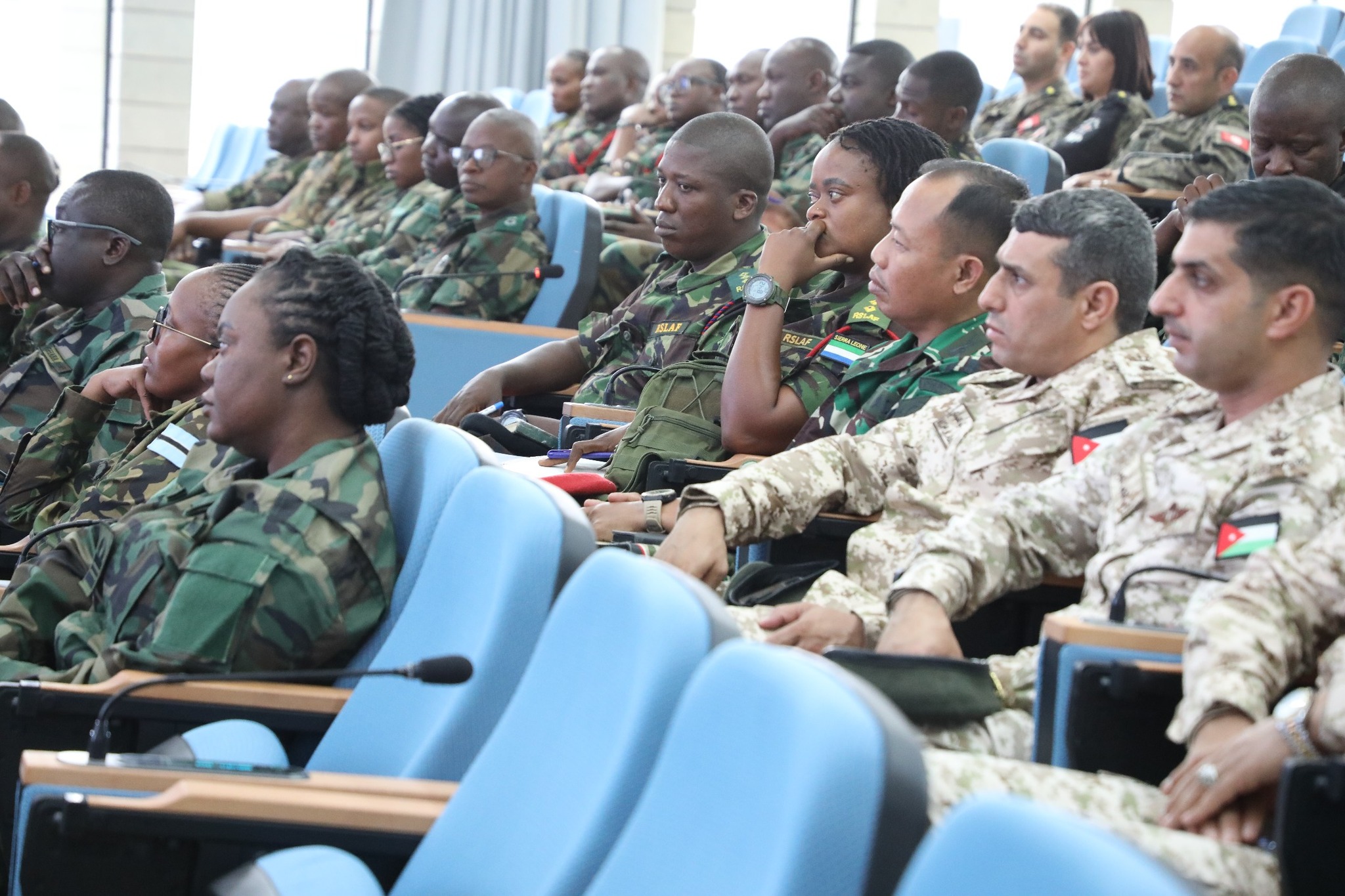
The UN MPKI course has attracted 37 participants drawn from Bangladesh, Nepal, Pakistan, Tanzania, Mongolia, Cambodia, Zambia, Malawi, Gambia, Senegal and Ghana.

More Articles ...

Latest News

  • CS DEFENCE HOSTS MINISTER OF FOREIGN AFFAIRS, GERMANY AT HPSS

    CS DEFENCE HOSTS MINISTER OF FOREIGN AFFAIRS, GERMANY AT HPSS

    On 21 January 2026, we had the honour of hosting the Cabinet Secretary for Defence, Hon. Soipan Tuya, who received the Federal Minister for Foreign Affairs of the Federal Republic of Germany, H.E Johann Wadephul, alongside the German Ambassador to…

    Read More
  • THE 7TH ANNUAL AFRICAN COUNTER-IMPROVISED EXPLOSIVE DEVICES (C-IED) CONFERENCE

    THE 7TH ANNUAL AFRICAN COUNTER-IMPROVISED EXPLOSIVE DEVICES (C-IED) CONFERENCE

    The Humanitarian Peace Support School hosted the 7th Annual African Counter-Improvised Explosive Devices (C-IED) Conference from 7th–9th October 2025 in Nairobi, uniting military professionals, security experts, and regional partners to strengthen cooperation against the evolving IED threat.Opened by Lieutenant General…

    Read More
  • KENYA-JAPAN PARTNERSHIP IN PEACEKEEPING

    KENYA-JAPAN PARTNERSHIP IN PEACEKEEPING

    On 25 August 2025, A high-level Japan delegation led by Hon Koichiro Gemba, Vice Speaker of the House of Representatives, visited the Humanitarian Peace Support School (HPSS) alongside fellow members Hon Oniki Makoto, Hon Watancha Sho, and Hon Fukushima Nobuyuki.The…

    Read More
  • 1
  • 2
  • 3
  • 4
  • 5
  • 6
  • 7
  • 8
  • 9
  • 10
  • 11
  • 12
  • 13
  • 14
  • 15
  • 16
  • 17

Connect With Us

      • x social media black icon